CART
Key Takeaways
Free gap assessment
How consistently are projects actually run?
A vendor-neutral maturity assessment against ISO 21502, free, so predictive, agile and hybrid teams are scored on the same basis.
Run the free project management maturity assessment → or View premium report sample
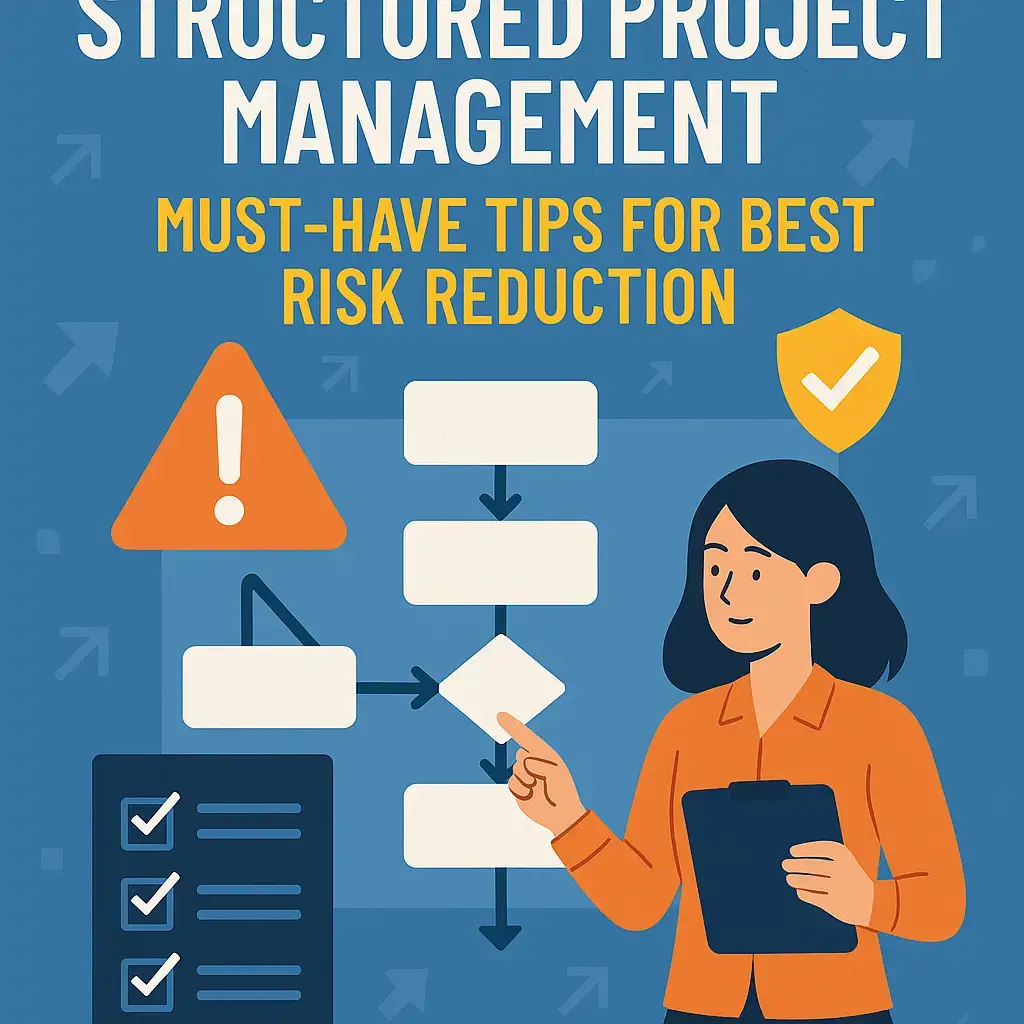
Structured project management is a disciplined approach that emphasizes the organization, planning, and execution of projects in a consistent and methodical manner. It is particularly valuable in risk reduction, as it provides a clear framework for identifying, assessing, and mitigating potential threats that could derail project success. In today’s fast-paced and complex business environments, successful project delivery depends heavily on managing risks effectively. Without a structured approach, teams can find themselves overwhelmed by unforeseen challenges, resulting in budget overruns, missed deadlines, and compromised quality.
In this comprehensive article, we will explore the essential tips and strategies to implement structured project management for optimal risk reduction. Whether you are a project manager, team leader, or stakeholder, understanding these concepts will help you steer your projects toward success while minimizing uncertainties.
—
Before diving into specific tips, it’s important to grasp what structured project management entails and why it is effective in reducing risks.
Structured project management is characterized by a clearly defined process that guides projects from initiation through planning, execution, monitoring, and closure. This process-driven approach means that every phase has defined activities, deliverables, roles, and responsibilities, which brings clarity to the project team.
Risk reduction happens more naturally when a project is managed through a structured lens because:
– It enables early identification of potential risks.
– It provides standardized methods to analyze and prioritize risks.
– It encourages proactive risk mitigation strategies.
– It fosters accountability and communication among stakeholders.
– It allows continuous monitoring and control to adapt to changing conditions.
Now, let’s take a closer look at practical steps you can adopt to embed structured project management practices that powerfully minimize risk.
—
A well-structured project begins with a clear and detailed project plan. Ambiguity in project goals and scope is a primary source of risk, often leading to scope creep, missed expectations, and wasted resources.
– Define SMART Objectives: Specific, Measurable, Achievable, Relevant, and Time-bound objectives help create clear focus for the team.
– Create a Detailed Work Breakdown Structure (WBS): Break down the project into manageable components or tasks. This makes it easier to assign responsibilities and track progress.
– Document Scope Boundaries: Clearly outline what is included and excluded from the project scope to avoid confusion and scope creep.
– Develop a Realistic Schedule: Use proven scheduling tools (like Gantt charts or critical path method) to develop timelines that reflect resource availability and inter-task dependencies.
The more detailed and structured your planning phase, the less ambiguous the project becomes, which directly reduces the probability of risks emerging later.
—
A key benefit of structured project management is the formal incorporation of risk assessment into the overall process. Identifying risks as early as possible gives the team time to prepare and adapt.
– Brainstorm Potential Risks: Involve diverse stakeholders to uncover risks across various domains (technical, financial, legal, environmental, etc.).
– Categorize Risks: Group risks into categories like operational, strategic, financial, compliance, and external.
– Analyze Risks for Probability and Impact: Evaluate how likely each risk is to occur and what the potential consequences would be.
– Prioritize Risks: Use risk rating matrices to focus efforts on high-priority risks that might critically impact the project.
– Document Risks in a Risk Register: Maintain a centralized log detailing each risk, owners, mitigation plans, and status updates.
A structured and methodical risk assessment sets the foundation for developing effective mitigation strategies that can dramatically lower risk exposure.
—
After identifying and prioritizing risks, structured project management calls for creating detailed plans on how to tackle these threats.
– Avoidance: Modify the project plan to eliminate risk altogether if possible.
– Transfer: Shift risk to a third party (e.g., through contracts or insurance).
– Reduction: Take steps to minimize the likelihood or impact of the risk.
– Acceptance: Acknowledge certain risks when mitigation is not feasible, but prepare contingency plans.
– Assign ownership for each risk to a responsible team member who monitors and acts upon it.
– Integrate mitigation actions directly into the project schedule and budget.
– Review and update mitigation plans regularly as the project evolves.
By embedding mitigation strategies into the project framework, you create a culture of preparedness that reduces surprises and improves confidence in project delivery.
—
Structured project management emphasizes defined communication paths and frequent updates among stakeholders. Clear and transparent communication plays a critical role in controlling risk by avoiding misunderstandings and ensuring everyone is aligned.
– Set up regular status meetings with agenda focused on progress and risk status.
– Use collaboration tools that centralize information, documents, and updates.
– Develop escalation protocols for emerging risks or issues.
– Ensure that all key stakeholders are informed and involved in decisions that affect risk.
Effective communication ensures that risks are not hidden or neglected, and that mitigation is a collaborative effort.
—
One hallmark of structured project management is the systematic use of tools and methodologies designed to improve control and visibility.
– Risk Management Software: Tools like Risk Register, JIRA, or Primavera P6 help in logging, tracking, and analyzing risks.
– Project Management Methodologies: Adopt frameworks such as PMBOK, PRINCE2, or Agile, which provide structured guidelines for project and risk management.
– Earned Value Management (EVM): Monitors project performance against scope, time, and cost to detect deviations early.
– Lessons Learned Repositories: Documenting lessons from past projects guides risk avoidance in future initiatives.
Leveraging these tools promotes discipline and consistency, which are essential to effective risk control.
—
Risk reduction isn’t a one-time activity but needs ongoing attention throughout the project lifecycle. Structured project management embeds continuous monitoring and review processes.
– Implement performance dashboards that highlight risk status in real-time.
– Regularly update risk assessments and mitigation plans based on project progress or external changes.
– Conduct formal risk audits with independent reviews if necessary.
– Encourage a feedback culture where team members report new or changing risks immediately.
This adaptive approach ensures that the project remains resilient even when unforeseen risks emerge.
—
At the heart of effective risk reduction is the human element. Structured project management is most successful when the entire project team embraces a mindset where risk management is everyone’s responsibility.
– Provide risk management training to all team members.
– Encourage open discussions about risks and problems without fear of blame.
– Reward proactive risk identification and mitigation efforts.
– Promote transparent reporting and communication channels.
A risk-conscious culture multiplied across individuals empowers better decision-making and safeguards project objectives.
—
Leveraging structured project management techniques is essential for significantly reducing risks and improving the likelihood of project success. By establishing clear plans, conducting comprehensive risk assessments, developing mitigation strategies, fostering stakeholder communication, using appropriate tools, and maintaining continuous monitoring, teams can anticipate challenges rather than react to crises.
Adopting a structured approach not only clarifies what needs to be done but also provides a repeatable, reliable framework that can be tailored to projects of any size or complexity. Ultimately, the goal is to transform uncertainty into manageable risk — delivering projects on time, within budget, and to the desired quality standards.
By implementing these must-have tips, your projects will be better equipped to navigate the uncertainties of today’s dynamic business world, ensuring stronger outcomes and greater stakeholder confidence.
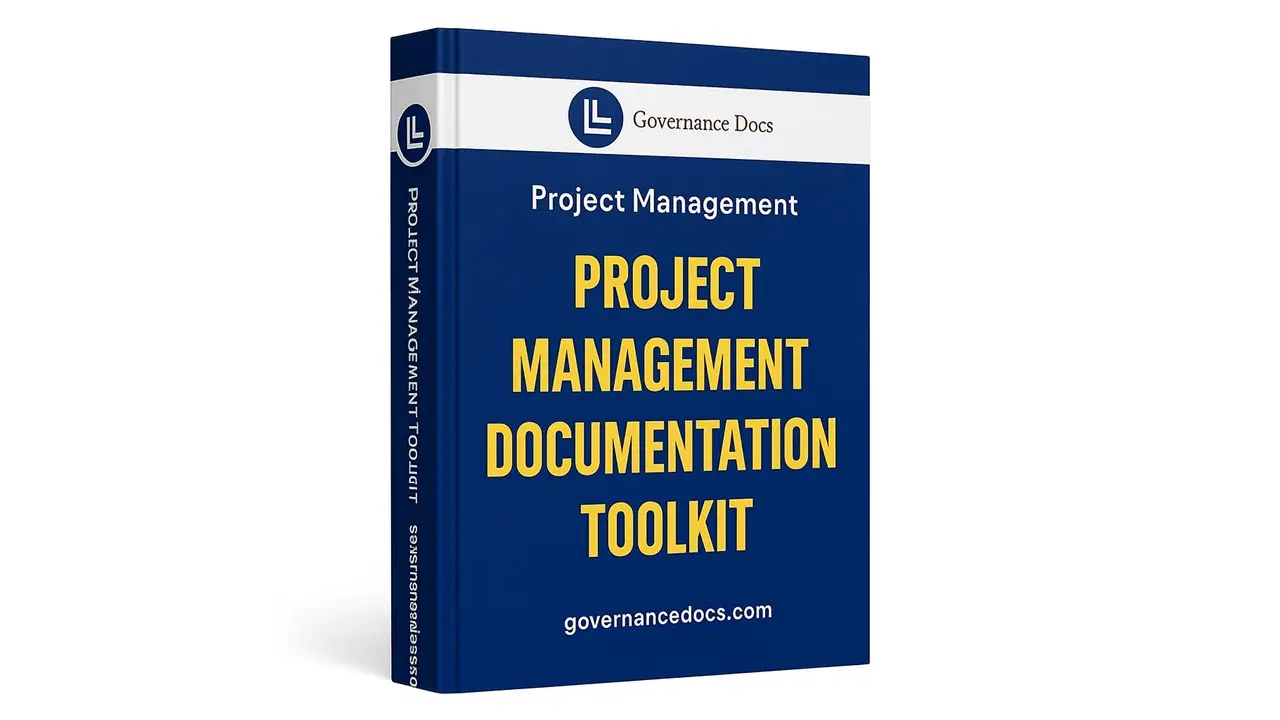
Skip the blank page. Download auditor-written, fully editable Project Management documentation templates and adapt them to your organization in minutes.
View the Project Management Toolkit – Comprehensive 390+ Templates! →
Further reading: For authoritative guidance, see the Project Management Institute.
Yes — ISO 21502 provides guidance on project management, sitting within a family that also covers programme and portfolio management and project governance. It is guidance rather than a requirements standard, so organisations are not certified against it. Where a certifiable management system is wanted, organisations usually build project controls into an existing ISO 9001 quality system instead.
A risk is a future event that may or may not happen and that you can still act to prevent or reduce. An issue has already happened and now requires response rather than mitigation. The distinction matters because they need different governance: risks belong in a register with owners and mitigation plans, issues need resolution and escalation. Registers that blur the two tend to become status reports nobody acts on.
Enough to answer four questions at any moment: what are we delivering and what is out of scope, who decides what, what could stop us and who owns each of those, and how will we know we are done. That is typically a charter or brief, a scope and requirements baseline, a risk and issue register, a plan with dependencies, and a decision log. Beyond that, documents are a cost unless someone reads them.
Yes, and the two are less opposed than the debate suggests. Structure governs the decision rights, risk visibility and stakeholder commitments; the delivery method governs how work is sequenced. Agile teams still need a defined scope boundary, an escalation path and a risk register — they just refresh them more frequently and hold them at a lighter weight.
Each individual risk needs a named owner with the authority to act on it, which is often not the project manager. The project manager owns the process — that risks are identified, assessed, escalated and reviewed — while ownership of a supplier risk may sit with procurement and a regulatory risk with legal. Registers where every risk is owned by the project manager are a reliable sign that nobody owns any of them.
If you are ready to move from reading to implementing, the Project Management Toolkit gives you every policy, procedure and record template mapped to the standard — auditor-written, fully editable and ready to download from $99. Not sure it is the right fit? Our Which ISO Toolkit Do I Need? buyer’s guide compares options by goal and industry.
A consultant can be invaluable for complex or high-risk programmes, but they typically charge $150–$400 per hour and take days to weeks to engage. A documentation toolkit delivers 80–90% of the same project management documentation instantly, for a one-time $99–$199 — and many teams buy the toolkit first, then use a consultant only for a final gap review or audit preparation. See our full toolkit vs. consultant comparison.

October 19, 2026
October 19, 2026
October 18, 2026
October 18, 2026
October 15, 2026

