
-
×
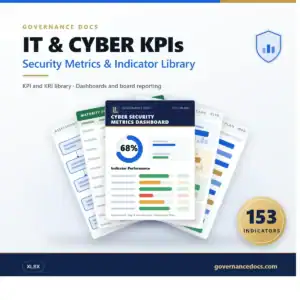 Critical IT and Cybersecurity Indicators
1 × $39.00
Critical IT and Cybersecurity Indicators
1 × $39.00 -
×
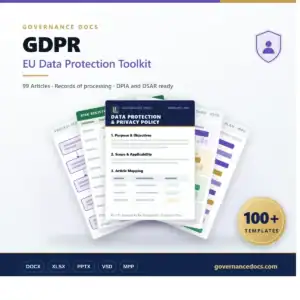 GDPR Toolkit - 100+ Comprehensive Templates
1 × $99.00
GDPR Toolkit - 100+ Comprehensive Templates
1 × $99.00
Subtotal: $138.00
 Critical IT and Cybersecurity Indicators
1 × $39.00 GDPR Toolkit - 100+ Comprehensive Templates
1 × $99.00
Critical IT and Cybersecurity Indicators
1 × $39.00 GDPR Toolkit - 100+ Comprehensive Templates
1 × $99.00 Subtotal: $138.00
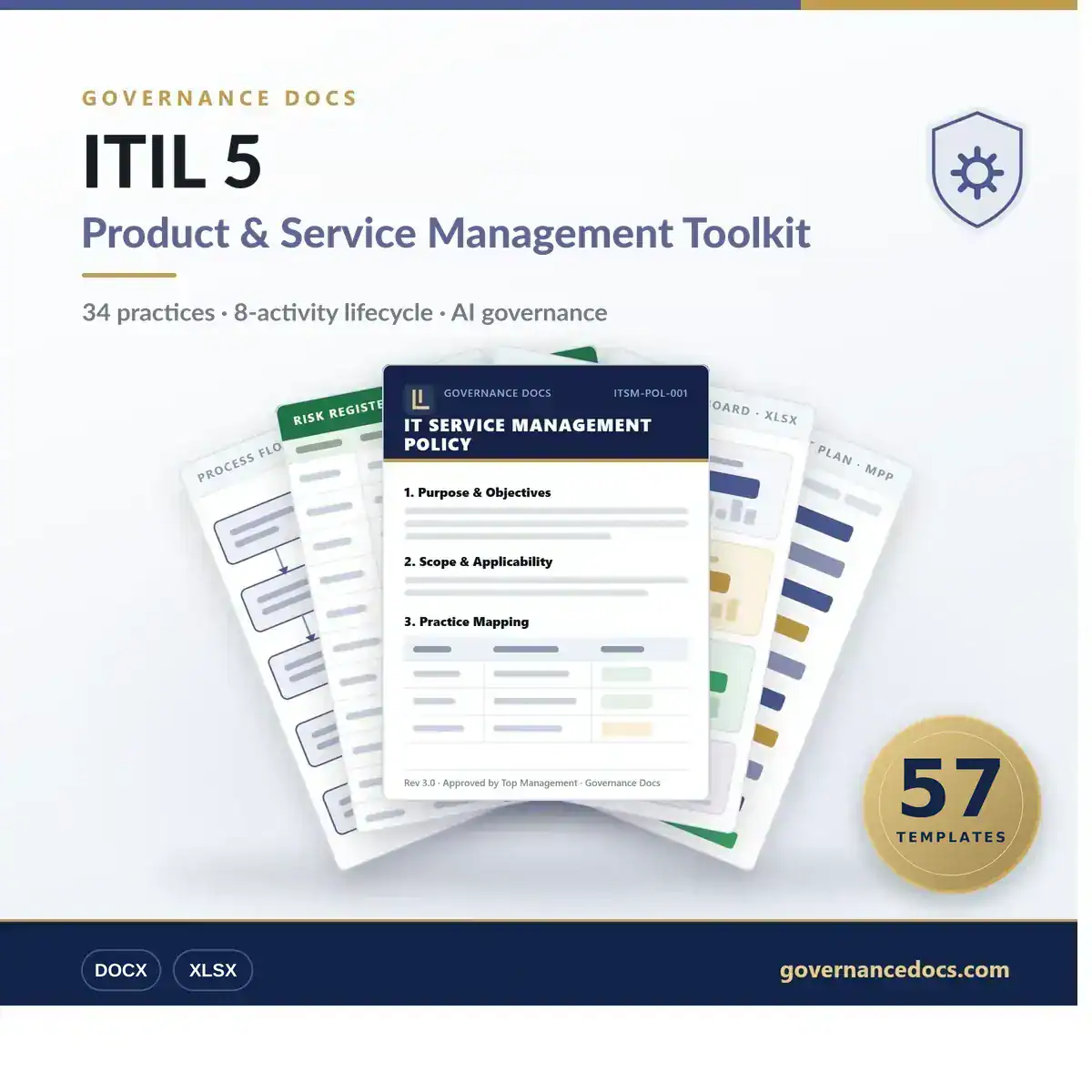
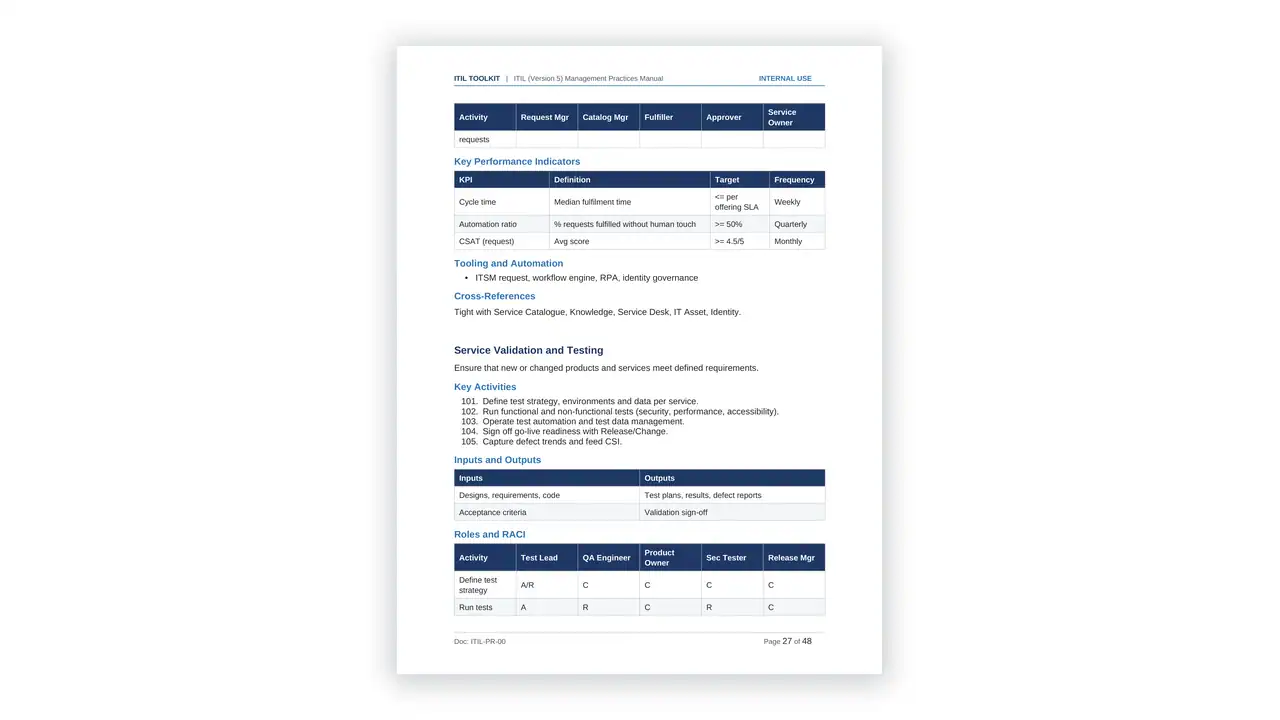
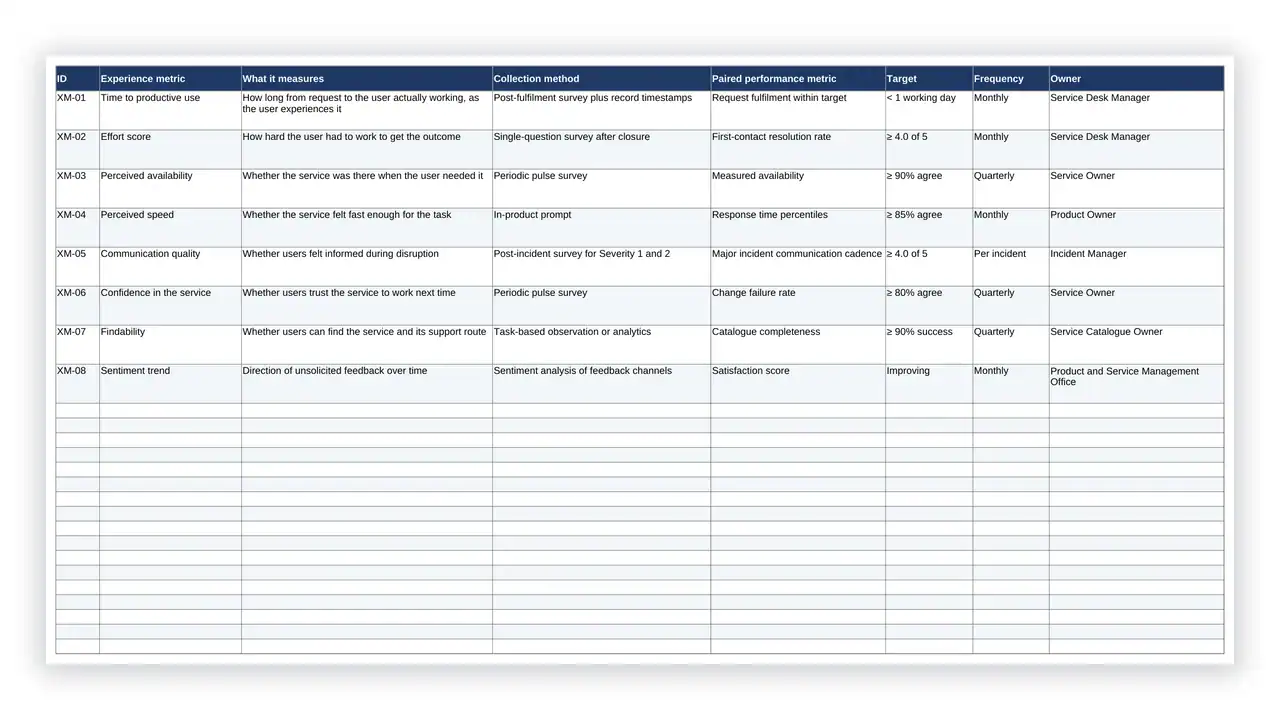
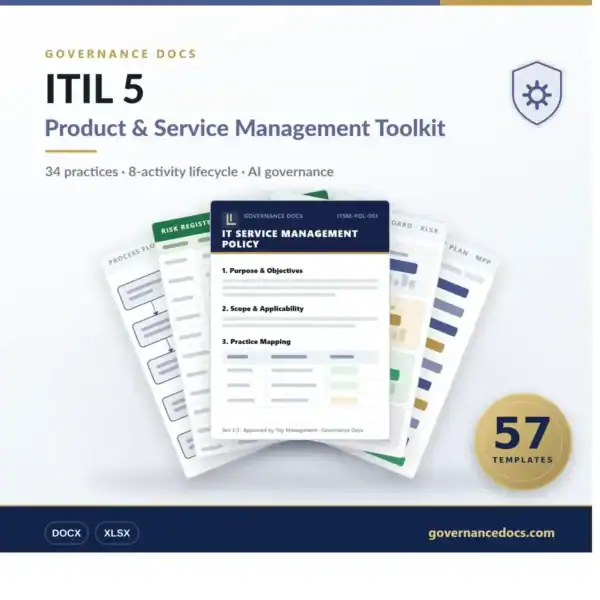
ITIL 5 Toolkit delivers 57 ready-to-use Microsoft Office templates aligned to ITIL (Version 5): the ITIL Value System, the eight-activity product and service lifecycle (discover, design, acquire, build, transition, operate, deliver, support), all 34 management practices, AI governance built on the 6-capability model, value stream mapping, experience management, and a maturity assessment workbook. Replace an ITIL 4 documentation set with one that matches the current edition.
$99.00
✓ In stock — instant download after checkout
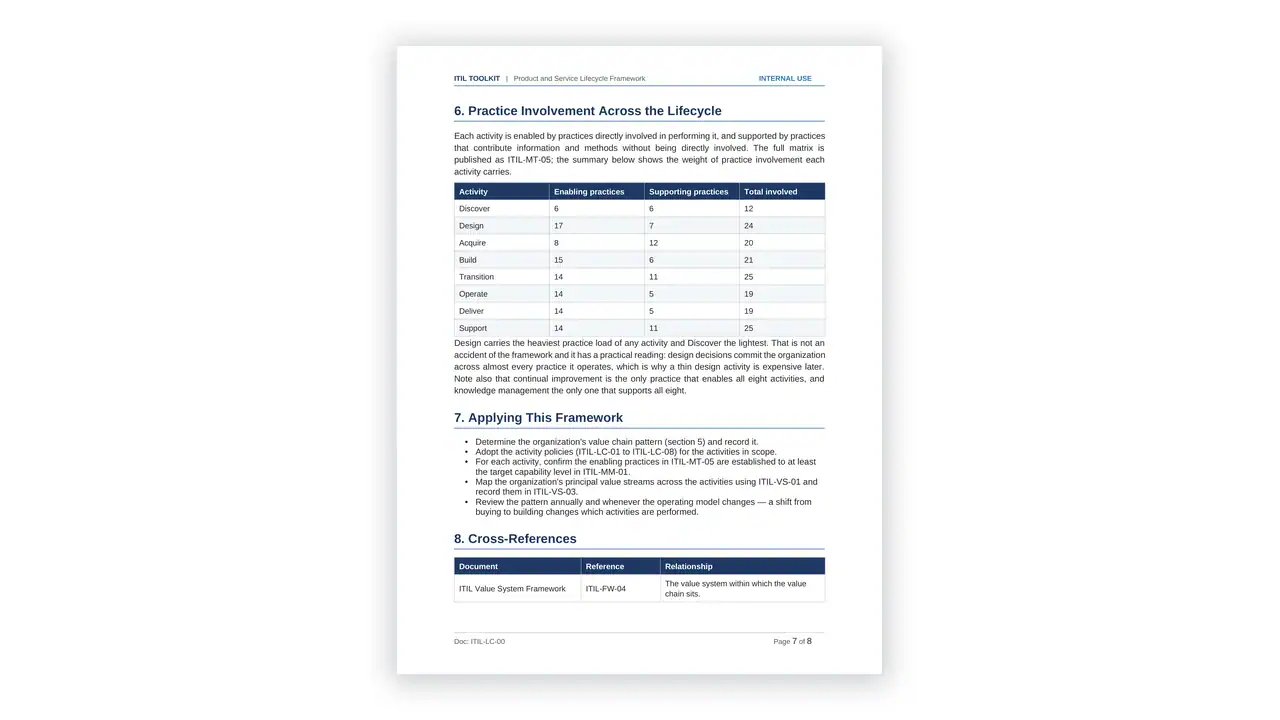
ITIL (Version 5) is the first substantial change to the framework since 2019, and it is not only a rename. The service value chain’s six activities become an eight-activity product and service lifecycle. The three practice categories become two. AI governance, value stream mapping and experience management arrive as first-class subjects. Documentation written for ITIL 4 still describes a structure the current edition no longer uses.
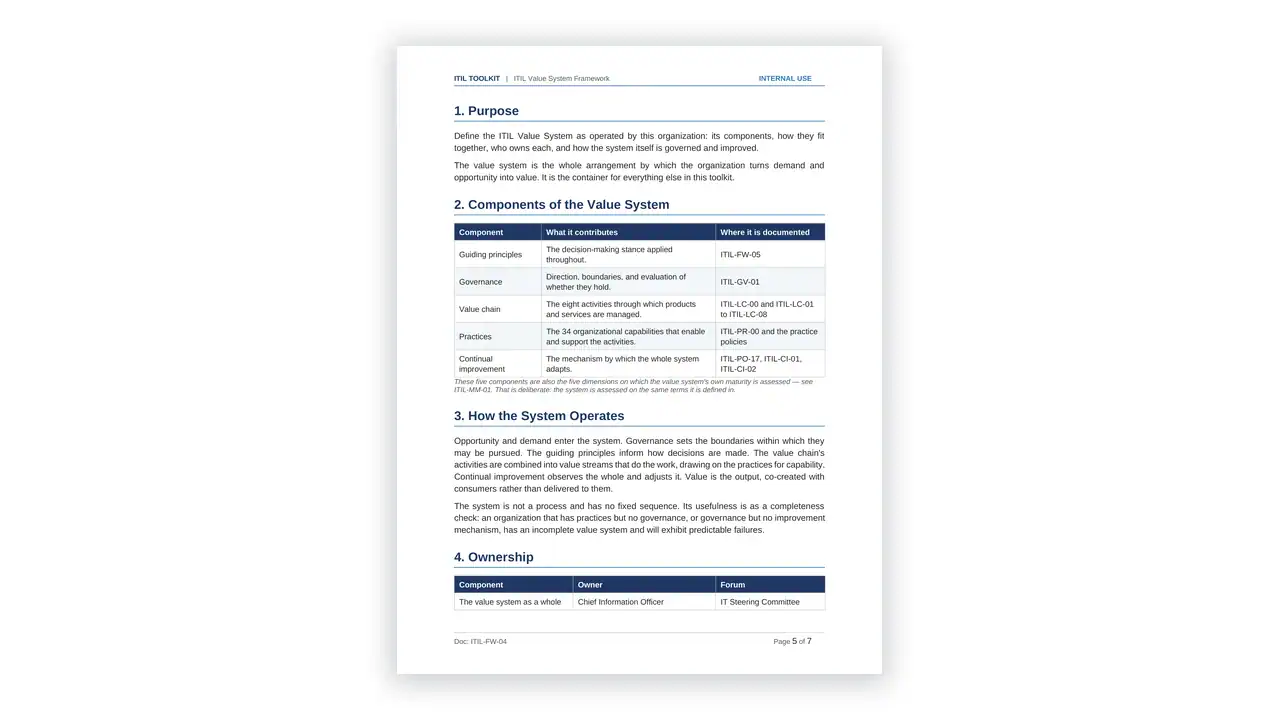
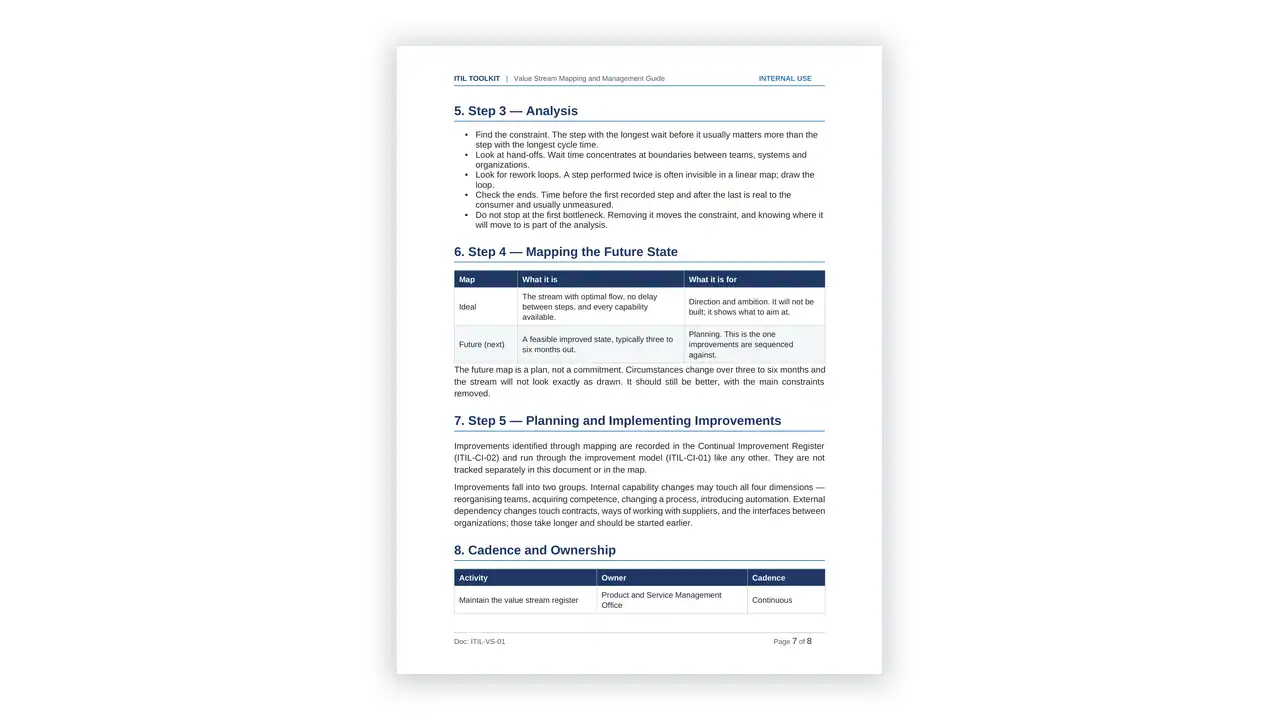
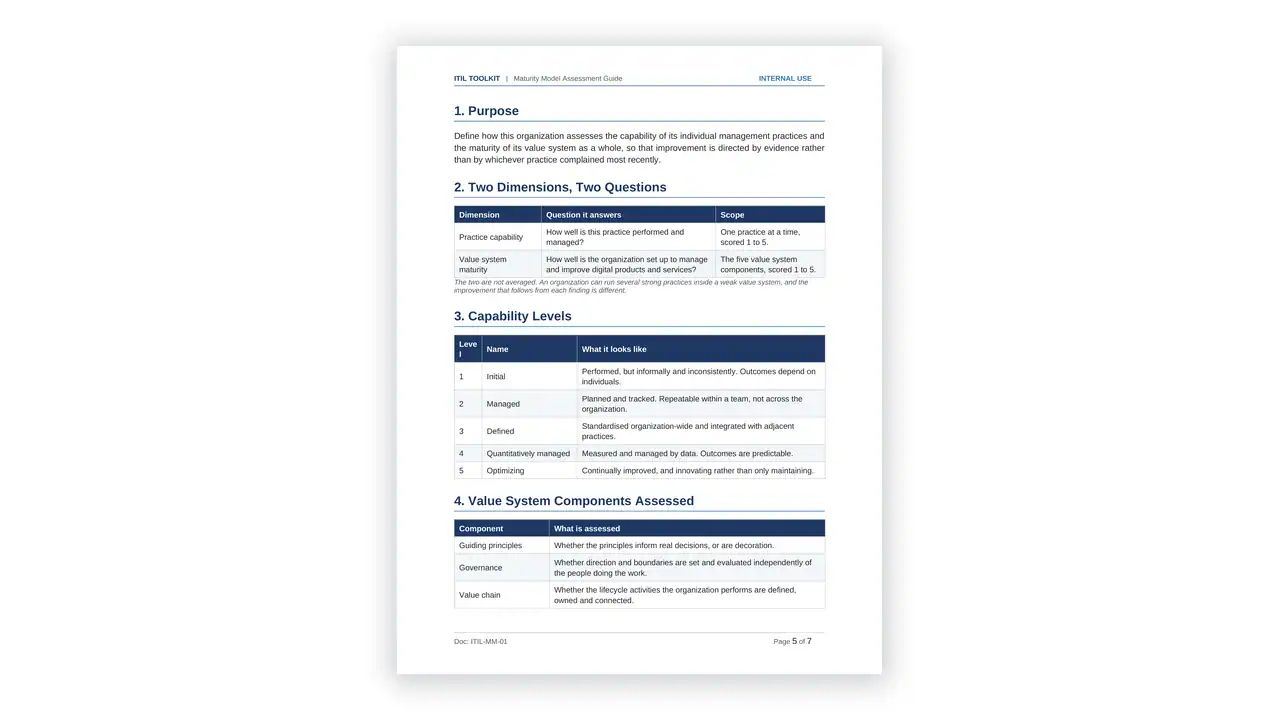
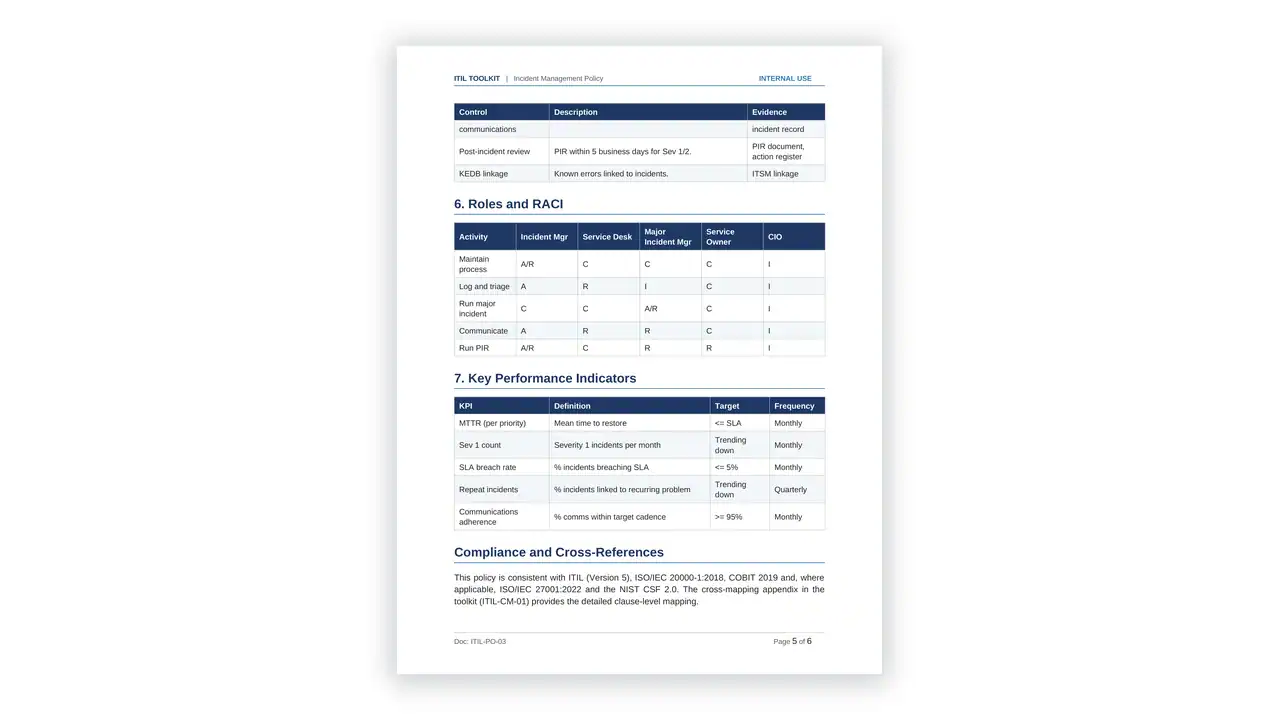
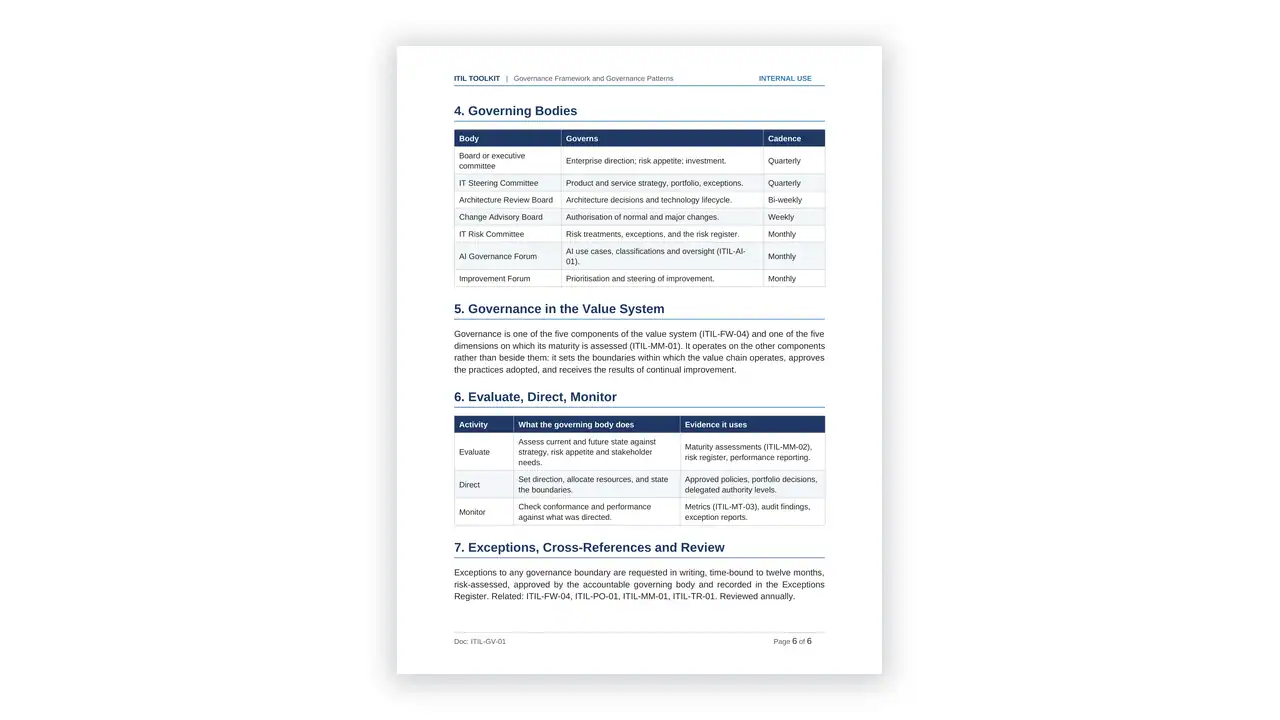
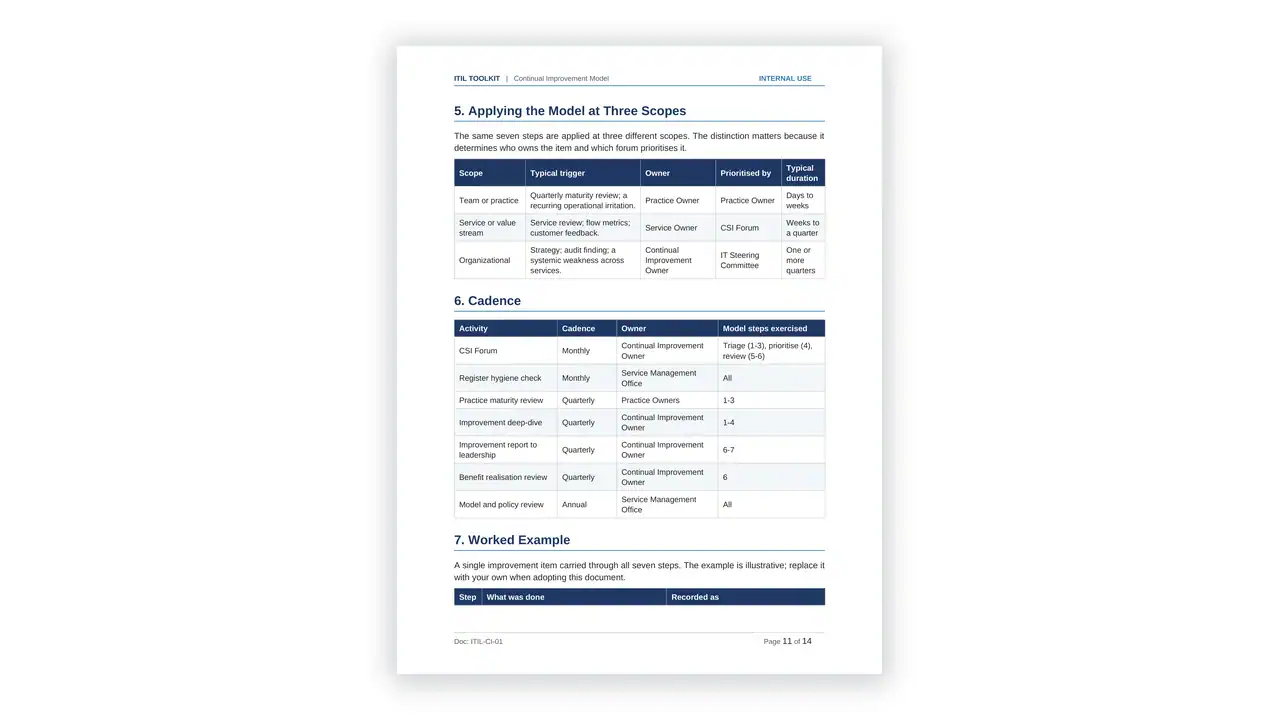
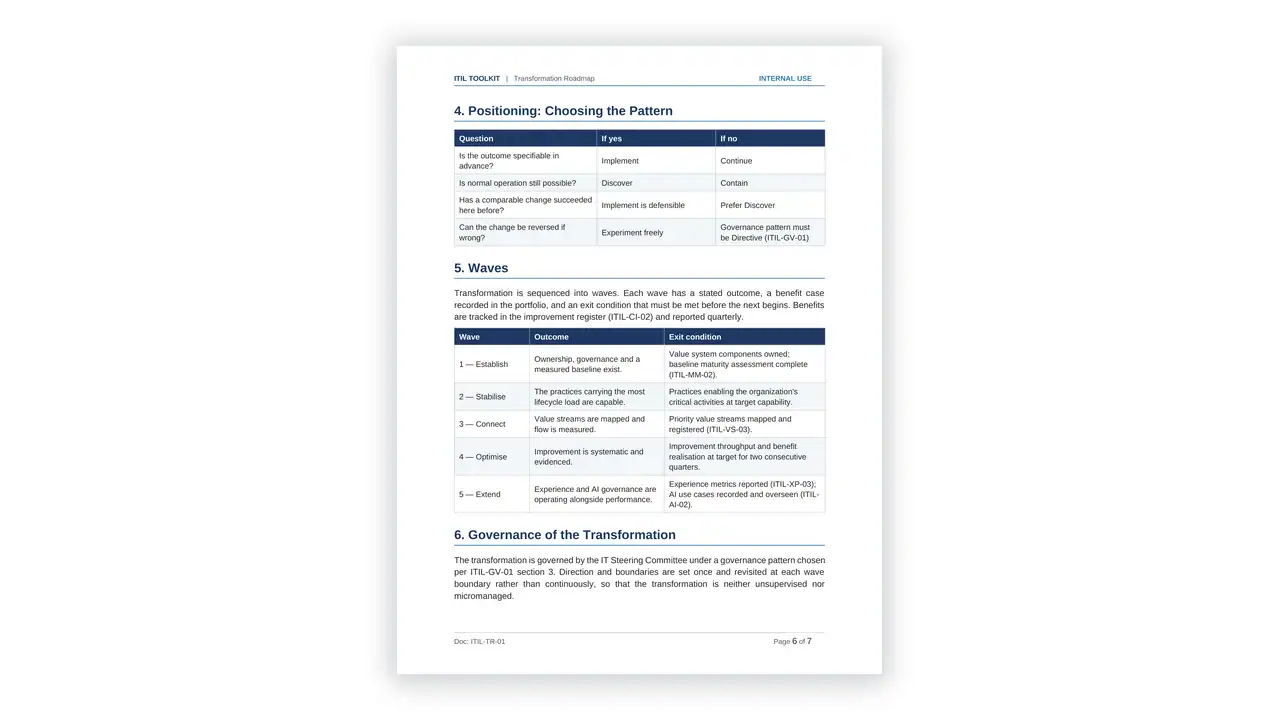
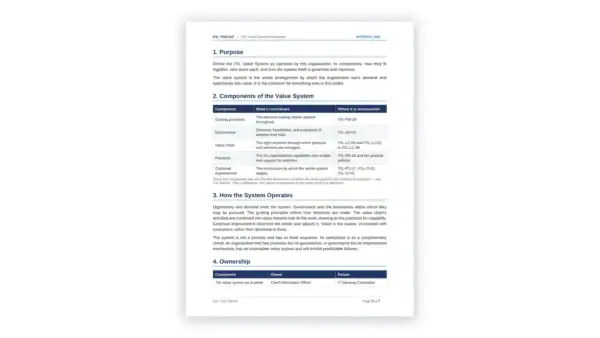
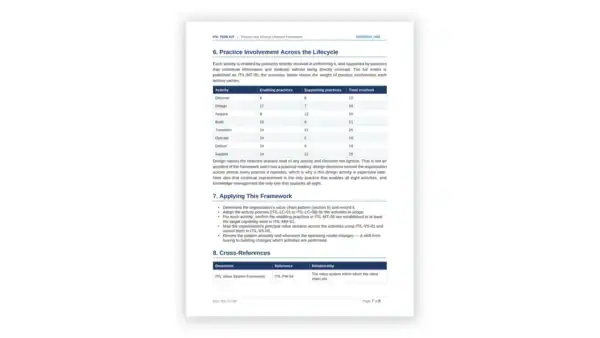
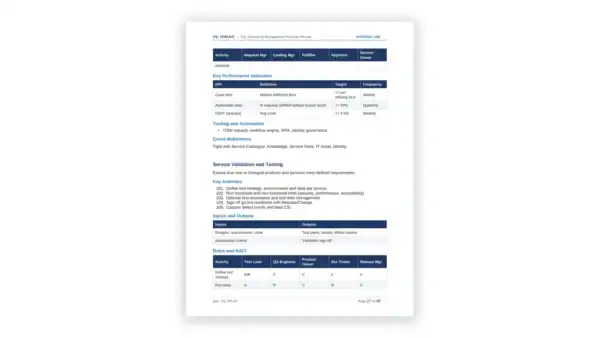
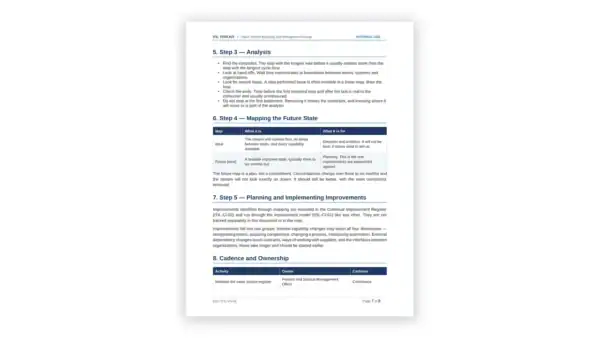
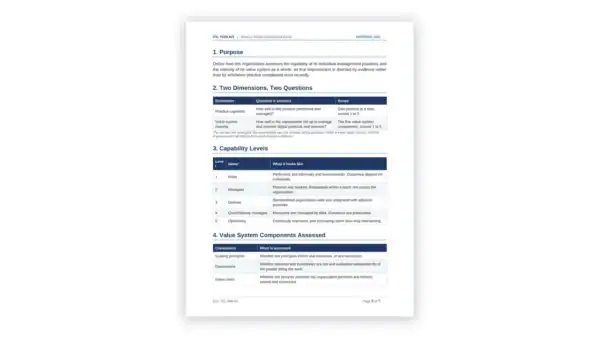
This toolkit is that documentation, rebuilt. It provides 57 templates covering the ITIL Value System, the eight lifecycle activities with a policy for each, all 34 management practices in their two Version 5 categories, governance patterns, value streams, AI governance, continual improvement, experience management, and capability and maturity assessment. Everything is editable in Microsoft Office and written to be adapted rather than admired.
Authored by a certified GRC consultant with extensive experience in governance, risk and compliance. The templates reflect how the practices are run on a live service desk, not only how the framework describes them.
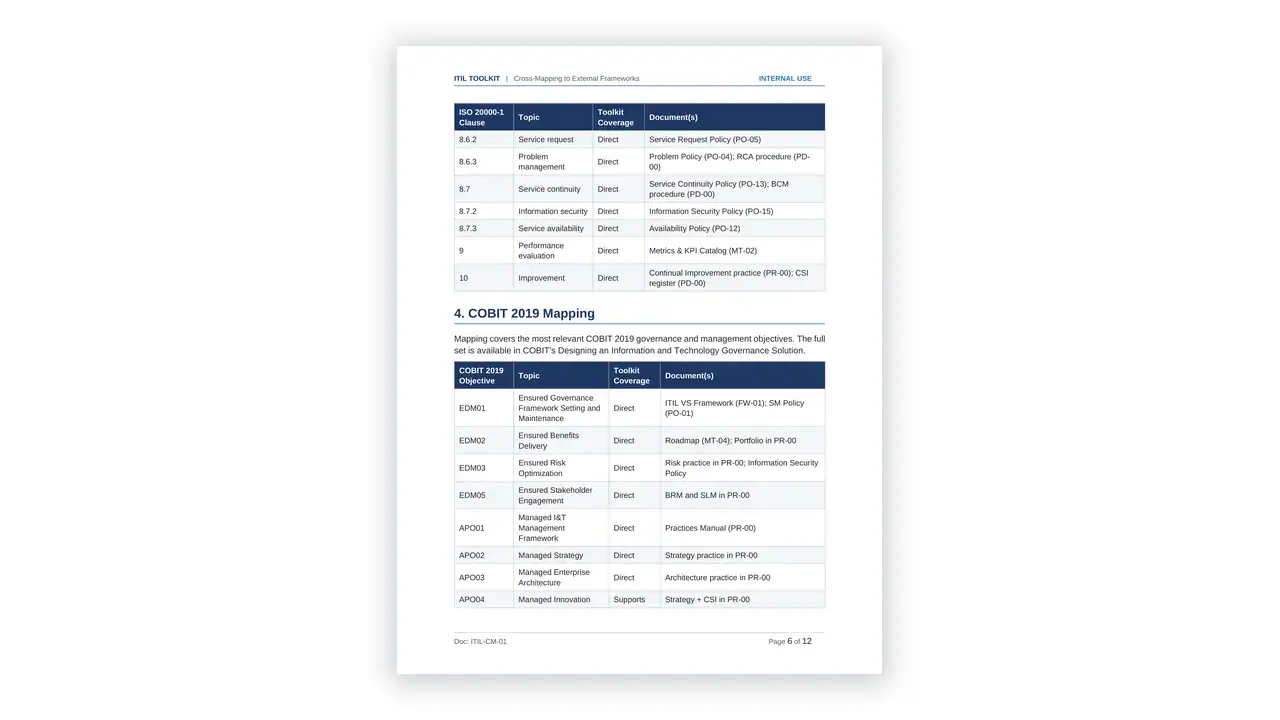
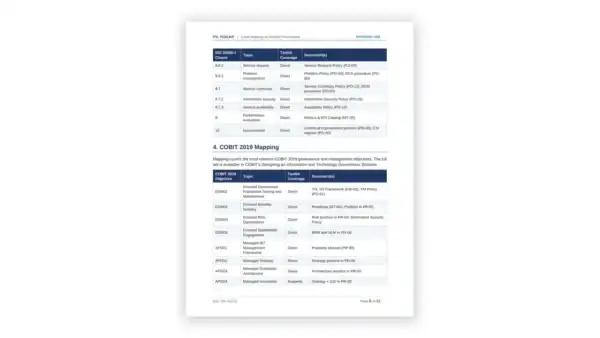
Developed in alignment with ITIL (Version 5) (PeopleCert), covering the ITIL Value System, the four dimensions, the seven guiding principles, the 8-activity product and service lifecycle and all 34 management practices in their two categories (22 product and service management, 12 general management). Cross-mapping to ISO/IEC 20000-1:2018, COBIT 2019, ISO/IEC 27001:2022 and NIST CSF 2.0 is provided where applicable. ITIL® is a registered trade mark of PeopleCert group of companies.
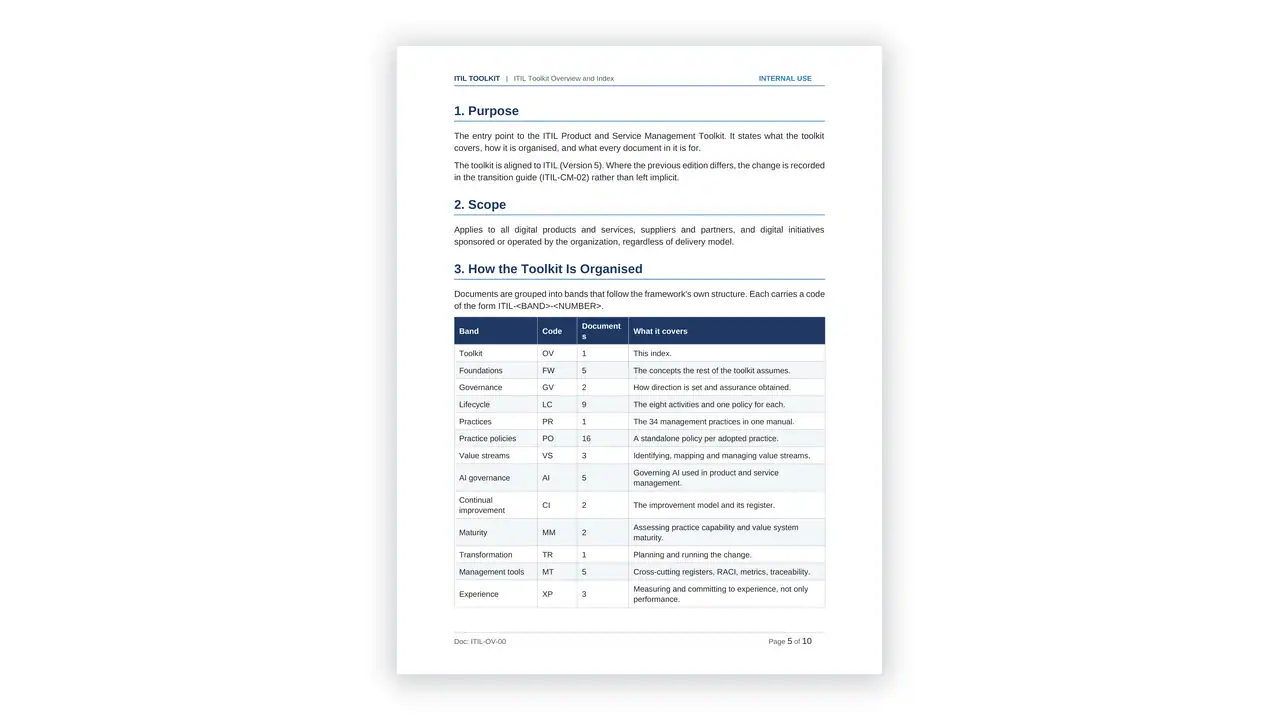
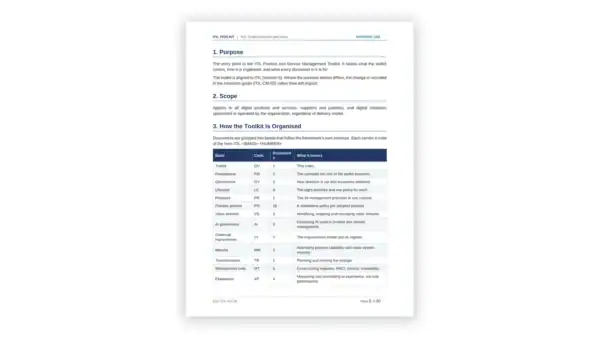
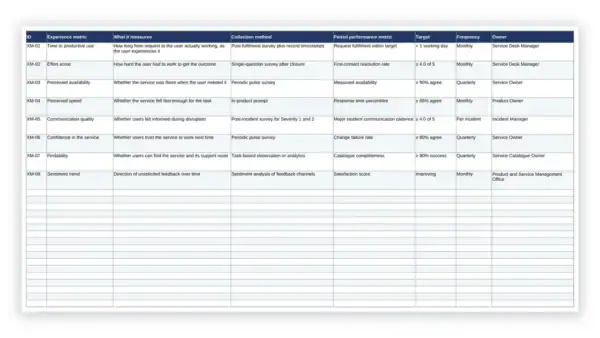
57 templates — 50 Word documents and 7 Excel workbooks — covering the ITIL Value System, the 8 product and service lifecycle activities, all 34 management practices, governance, value streams, AI governance, continual improvement, experience management, maturity assessment and cross-mapping to other frameworks. The full document list is published on this page.
ITIL (Version 5). The pack uses the ITIL Value System, the eight-activity product and service lifecycle, and the two Version 5 practice categories (22 product and service, 12 general). A transition guide is included that records exactly what changed from ITIL 4, so an organisation moving from an ITIL 4 documentation set can see what moved and why.
Yes. PeopleCert has stated that the release is phased and that ITIL 4 certifications remain valid, so an organisation working to ITIL 4 is not non-compliant. The practices are identical in both editions and the practice policies apply unchanged. The included transition guide sets out the differences, of which the lifecycle is the only structural one.
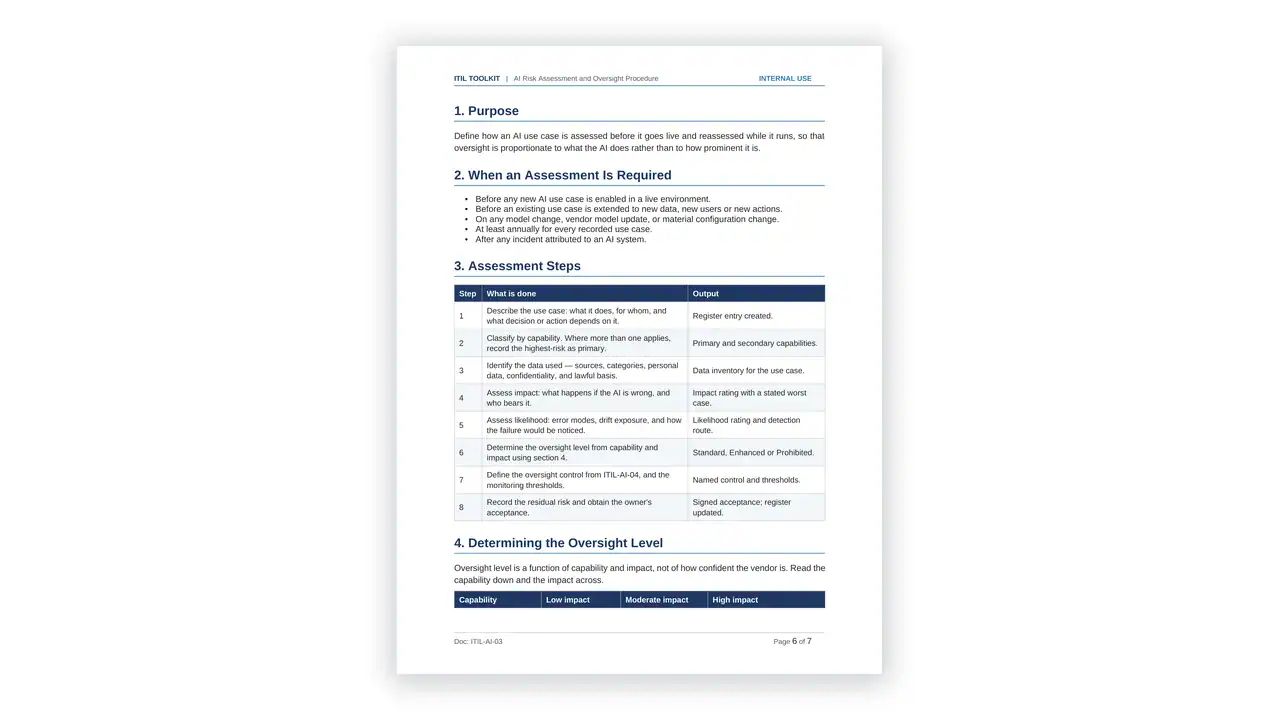
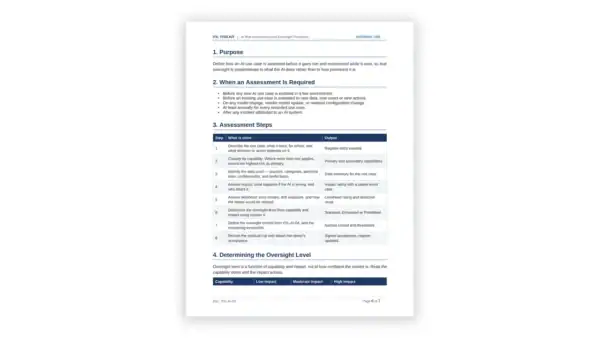
Yes — five documents. An AI governance policy with twelve numbered statements and a prohibited-use list, a use case register built on the 6-capability classification, a risk assessment and oversight procedure, a human oversight standard, and a standard for AI in service operations. The control substance is aligned to ISO/IEC 42001, the NIST AI RMF and the EU AI Act.
CIOs, heads of product and service management, IT operations managers, practice and product owners, service owners, and GRC consultants implementing or updating a service management programme. Consultants reuse it across clients.
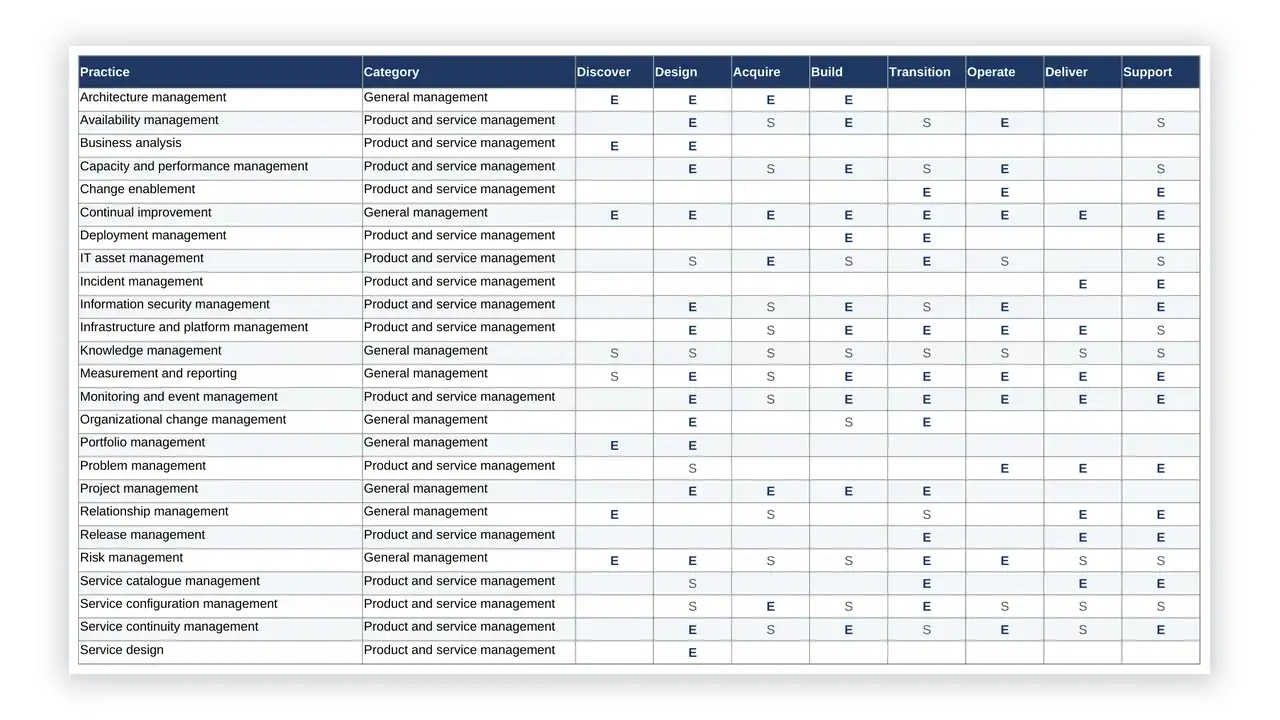
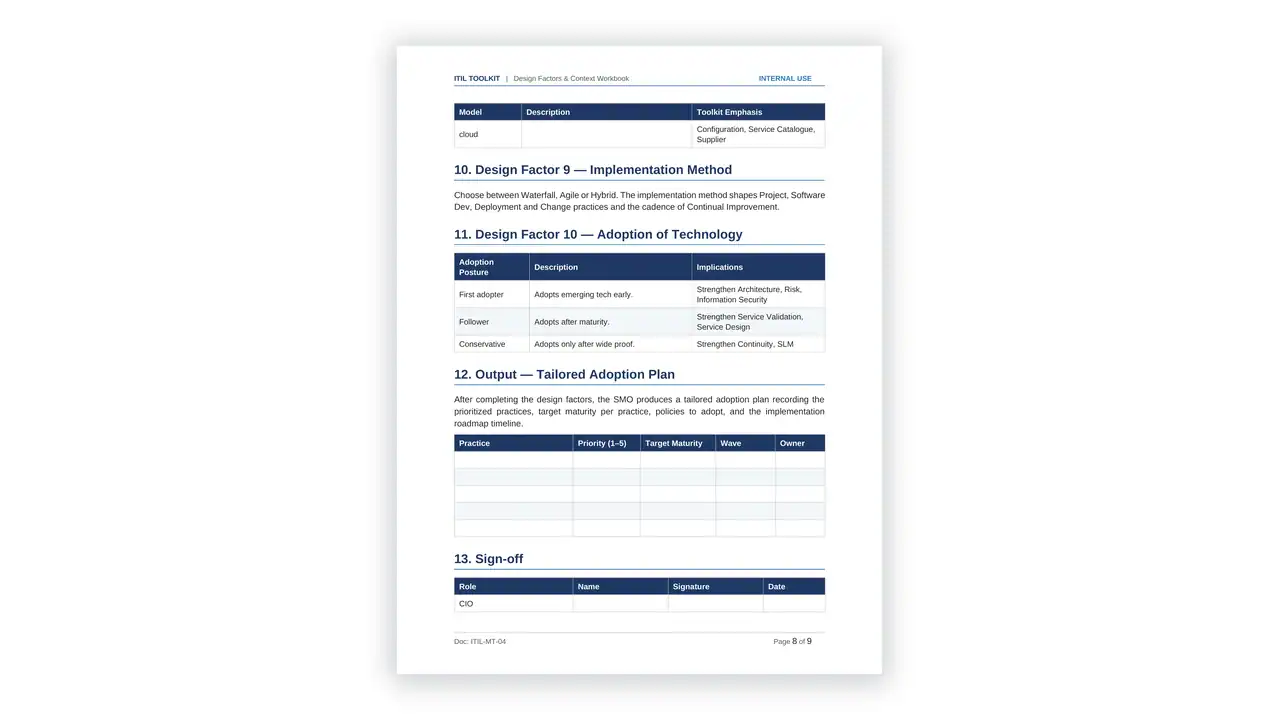
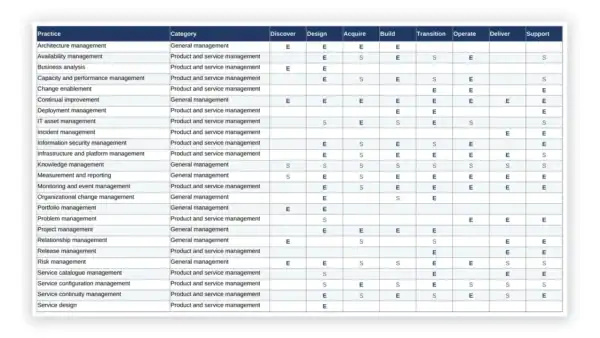
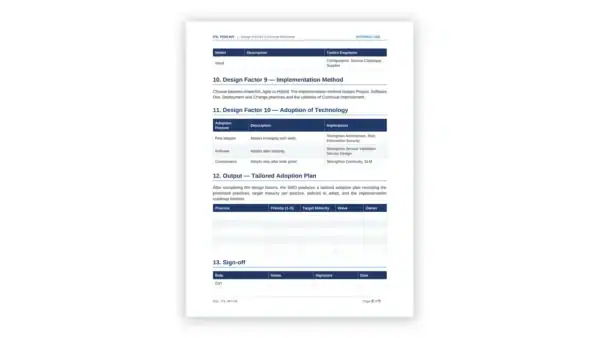
The 57 templates download instantly. Start with the overview and index, record your value chain pattern in the design factors workbook, then adopt the lifecycle policies for the activities you actually perform. The traceability matrix tells you which practices those activities depend on.
Yes. Consultants and internal teams reuse the toolkit across clients and business units, tailoring each practice to the organisation’s maturity and toolset.
Most teams stand up the core practices in two to four months: a few weeks to adopt incident, request and change enablement, then extending to problem, service level and configuration management as the lifecycle matures. Teams already running an ITSM tool move quickest.
 Comprehensive ITIL 5 Toolkit – 57 Templates (ITIL Version 5)$99.00


Reviews
There are no reviews yet