-
×
 ISO 45001 Assessment Tool - Ultimate Solution
1 × $19.00
ISO 45001 Assessment Tool - Ultimate Solution
1 × $19.00 -
×
 ISO 22000 Toolkit - Comprehensive 30 Templates
1 × $99.00
ISO 22000 Toolkit - Comprehensive 30 Templates
1 × $99.00
Subtotal: $118.00
 ISO 45001 Assessment Tool - Ultimate Solution
1 × $19.00 ISO 22000 Toolkit - Comprehensive 30 Templates
1 × $99.00
ISO 45001 Assessment Tool - Ultimate Solution
1 × $19.00 ISO 22000 Toolkit - Comprehensive 30 Templates
1 × $99.00 Subtotal: $118.00
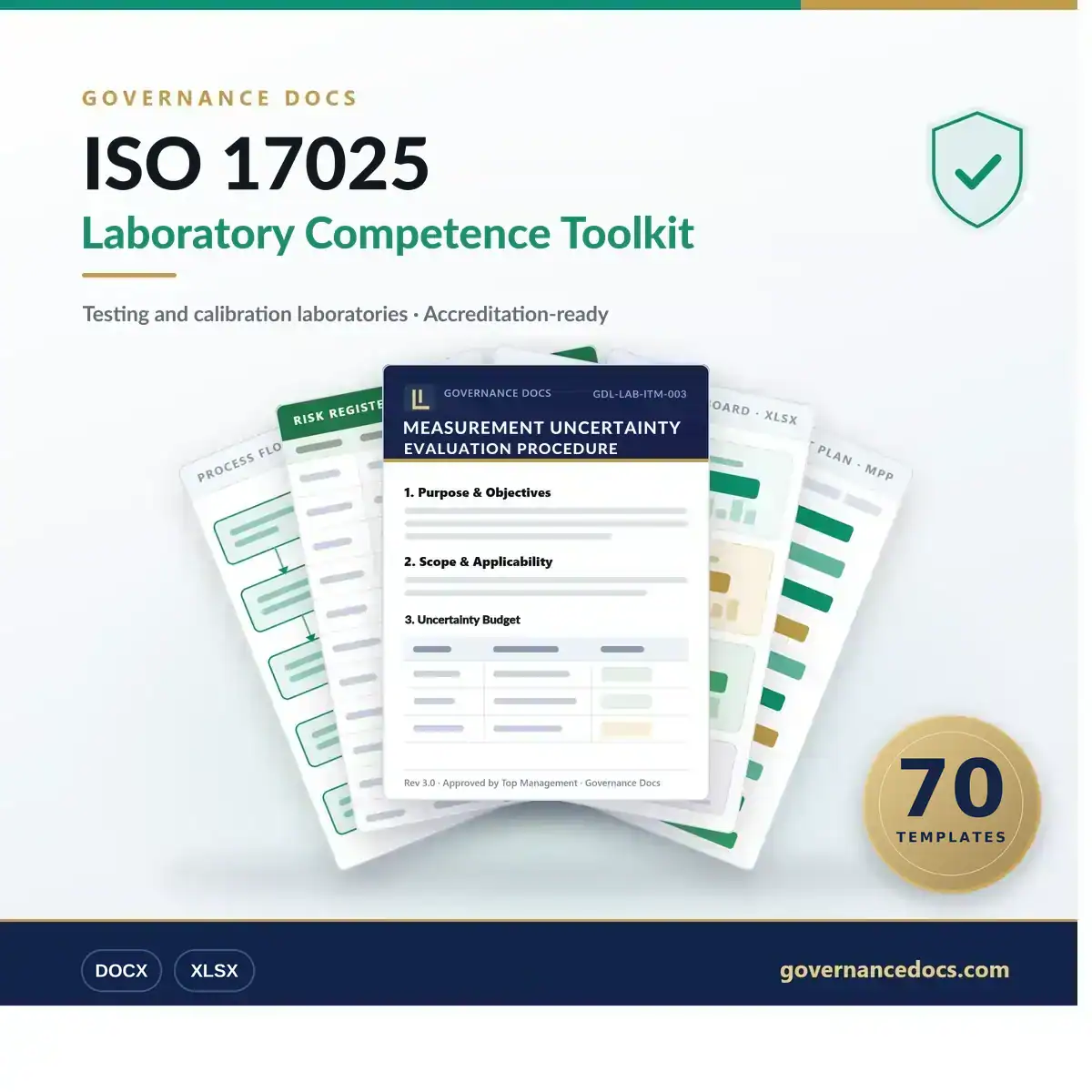
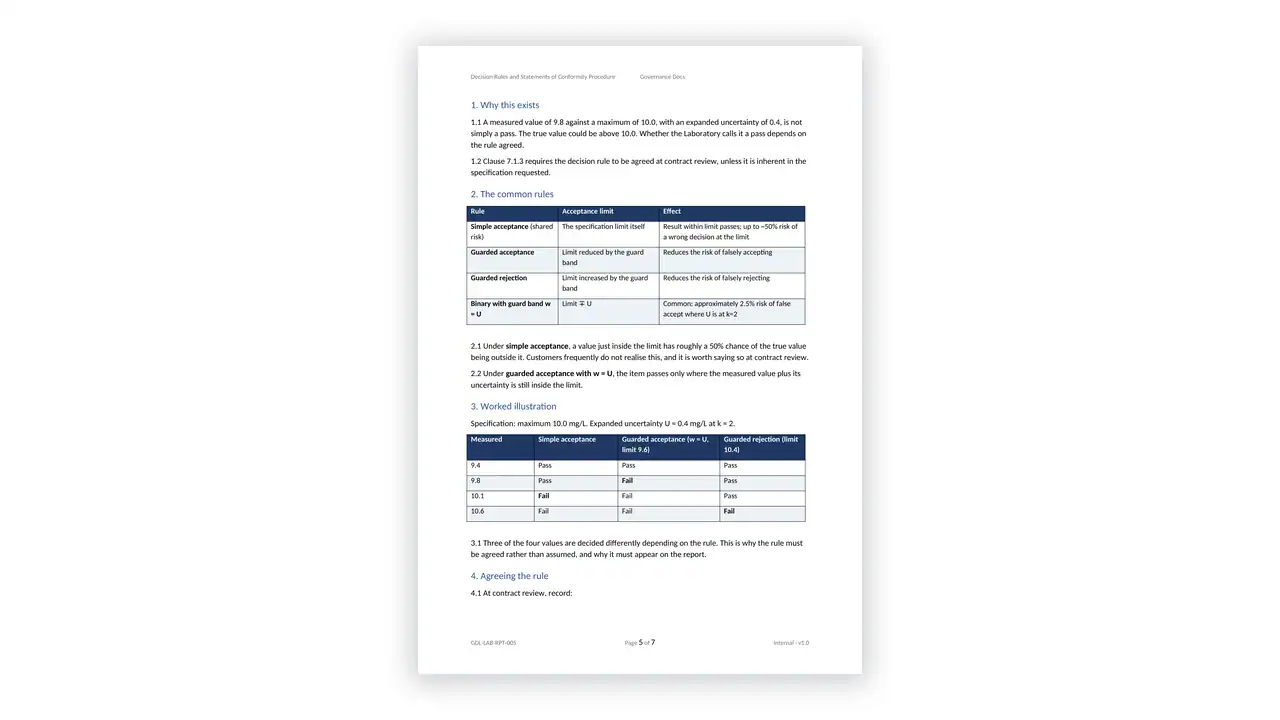
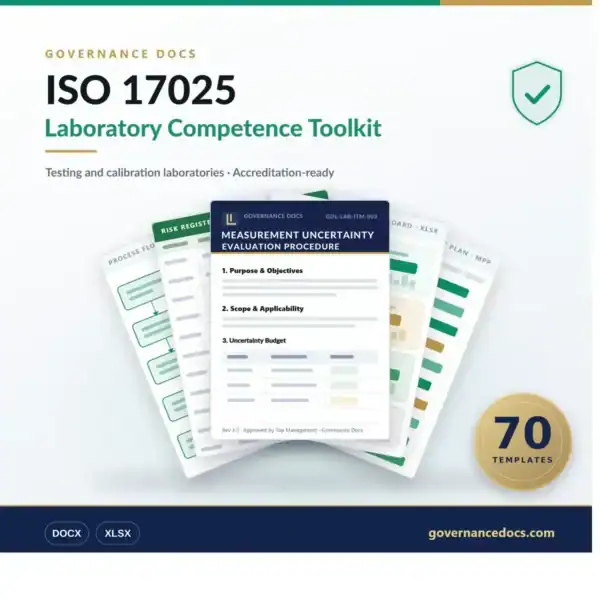
ISO 17025 Toolkit delivers 70 ready-to-use Microsoft Office templates covering every clause of ISO/IEC 17025:2017 — impartiality, competence, equipment and metrological traceability, method validation, measurement uncertainty, proficiency testing, reporting and decision rules, and the management system under either Option A or Option B. Built for testing and calibration laboratories preparing for accreditation.
$99.00
✓ In stock — instant download after checkout
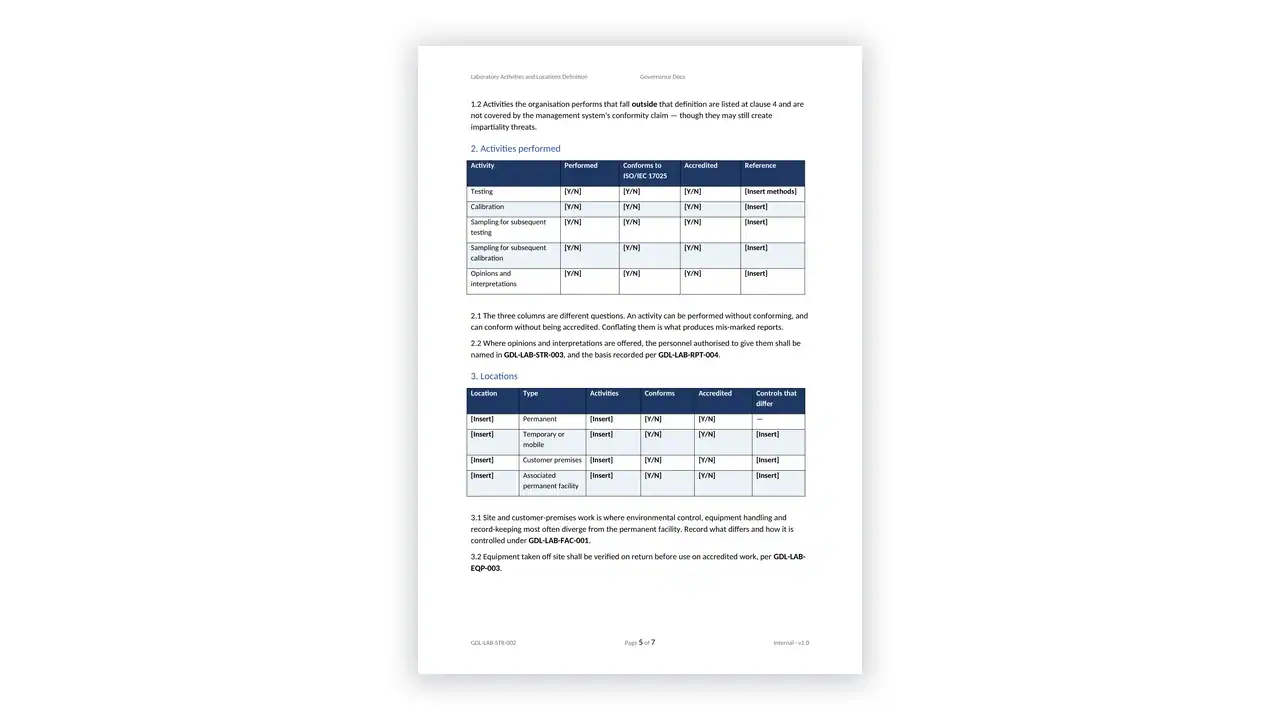
Laboratories are accredited, not certified. An accreditation body — UKAS, A2LA, ANAB, DAkkS, NABL or another — assesses your laboratory against ISO/IEC 17025:2017 and grants accreditation for a defined scope: named methods, named measurands, named ranges and stated uncertainties. Work outside that schedule is not accredited work, however well it is performed. The ISO 17025 Toolkit is built around that reality.
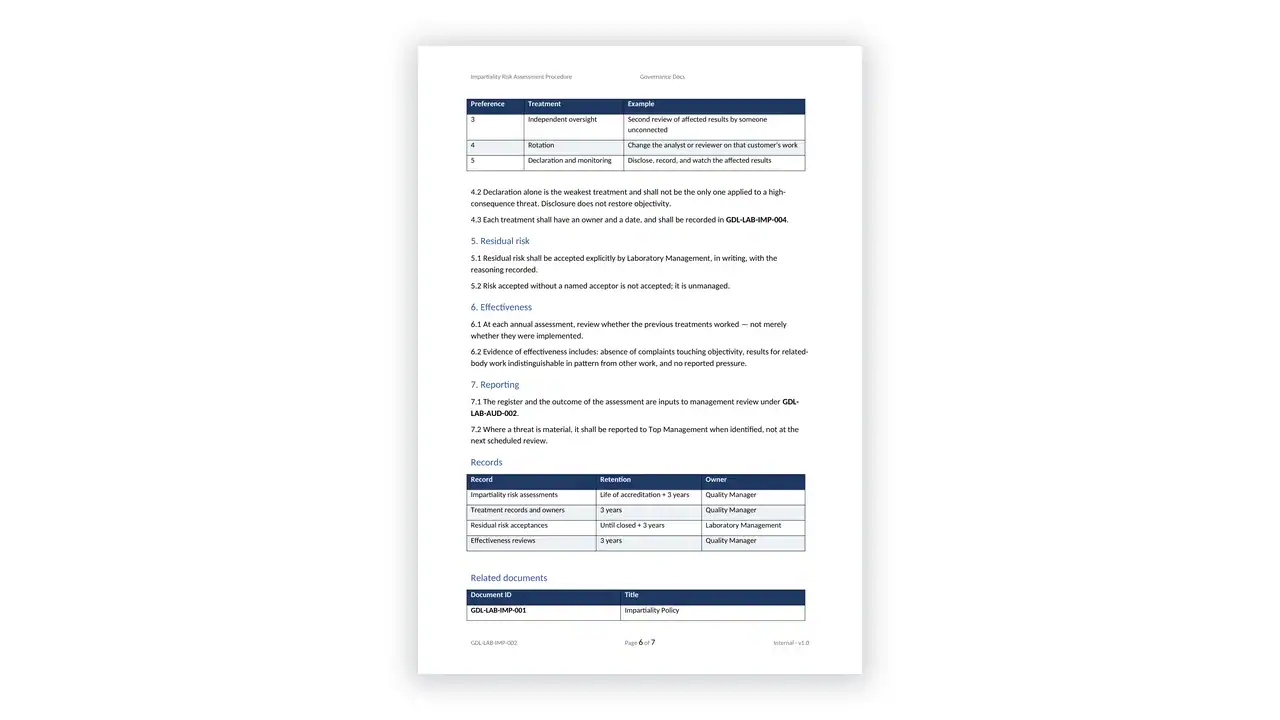
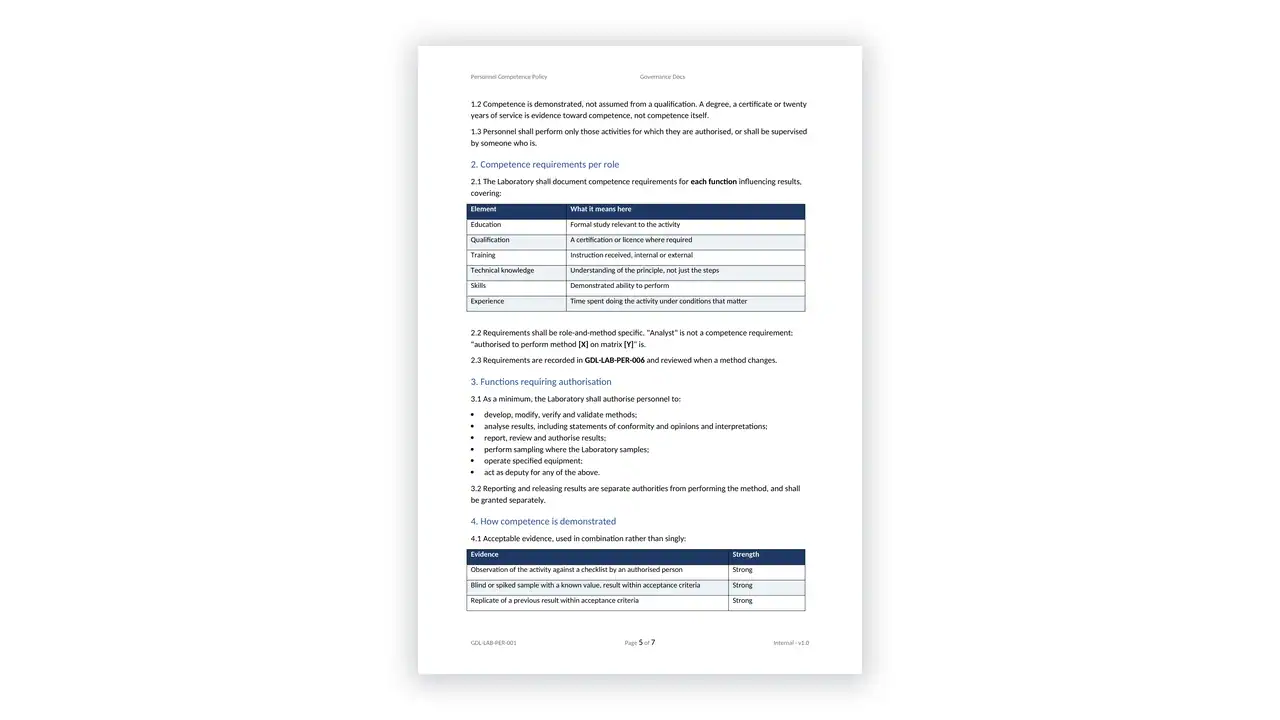
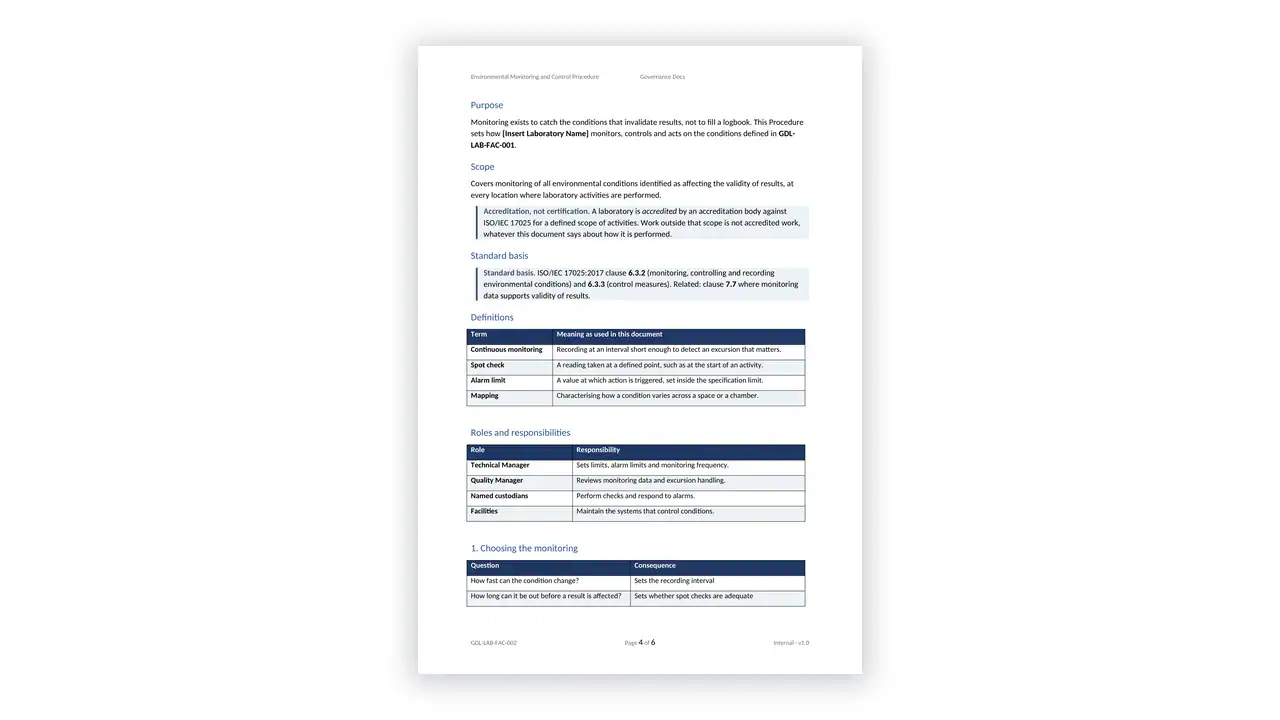
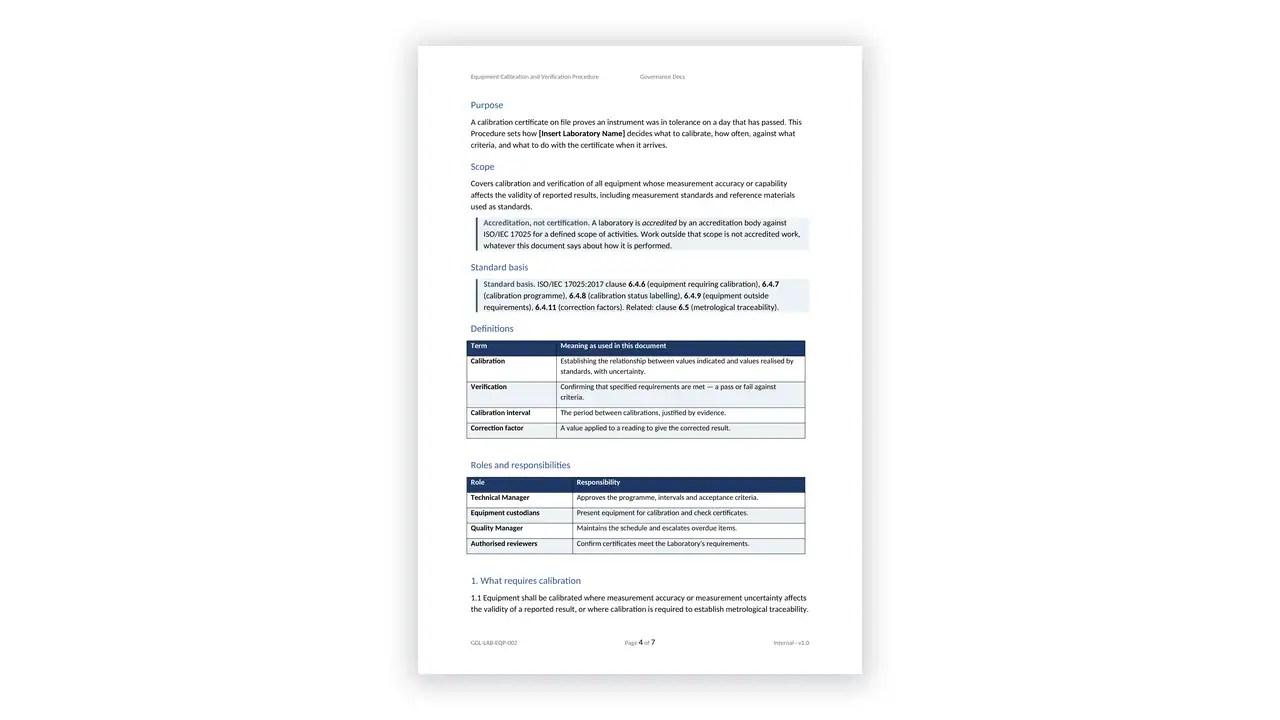
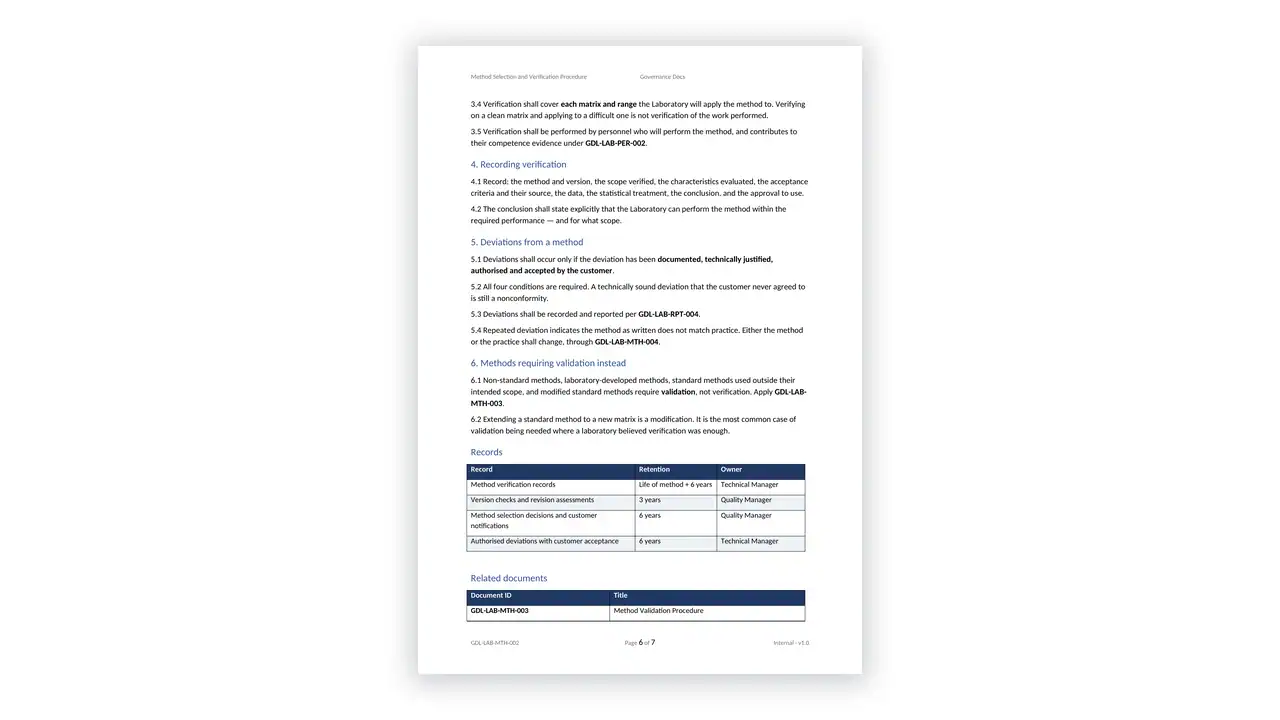
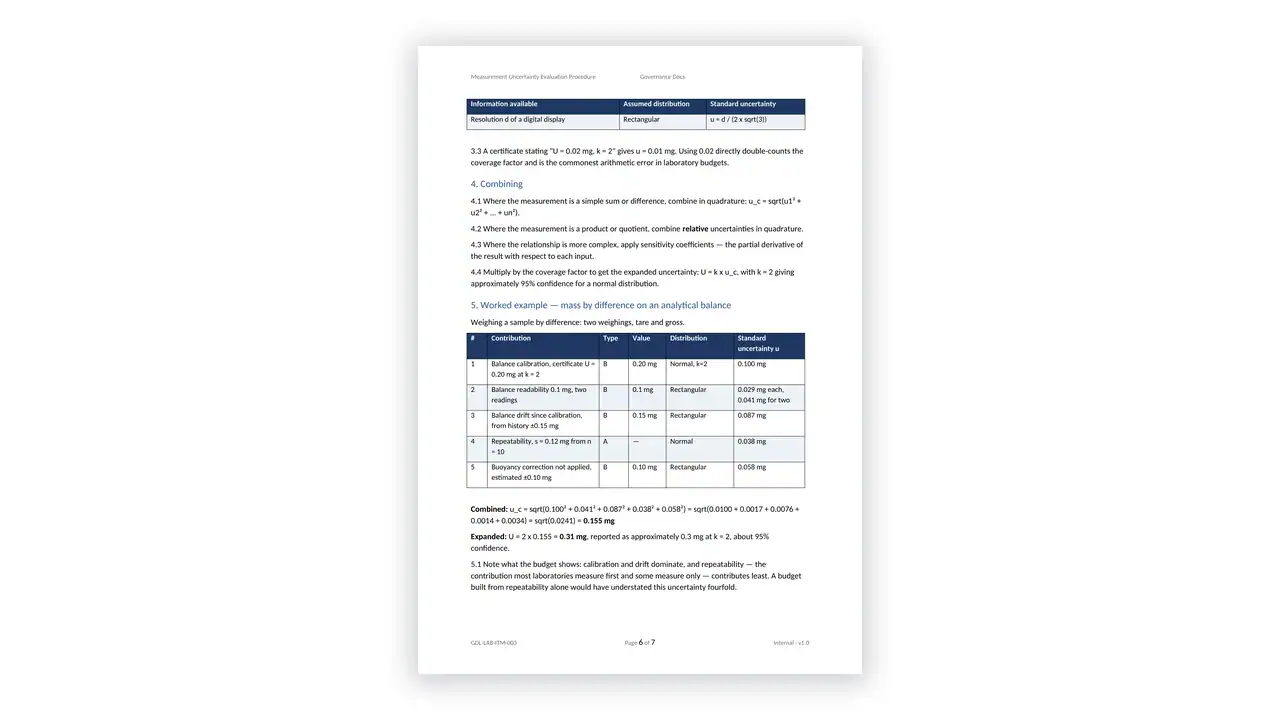
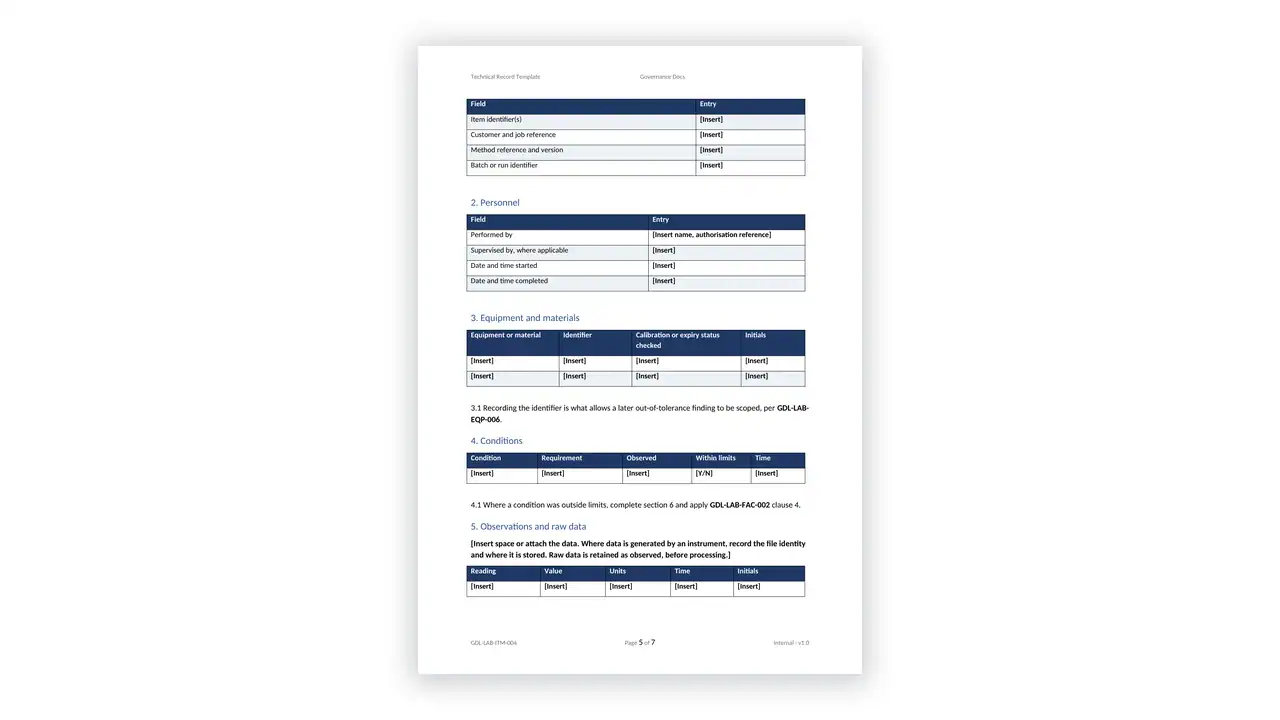
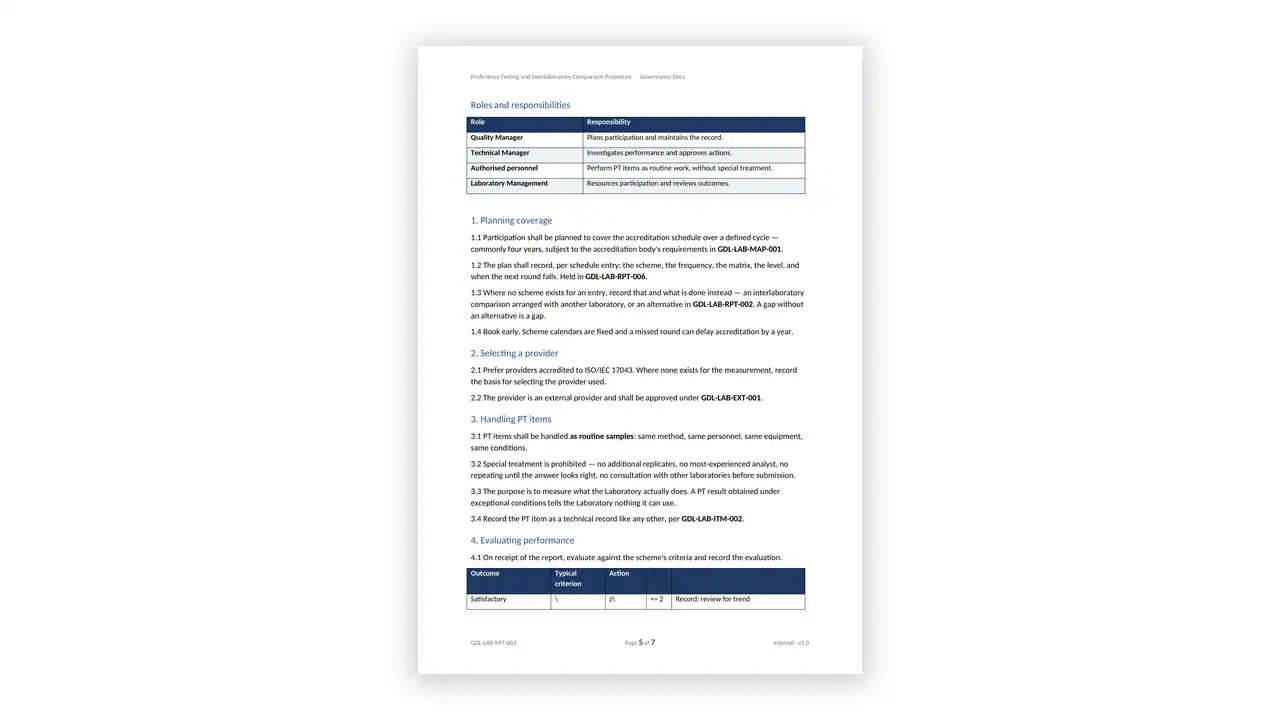
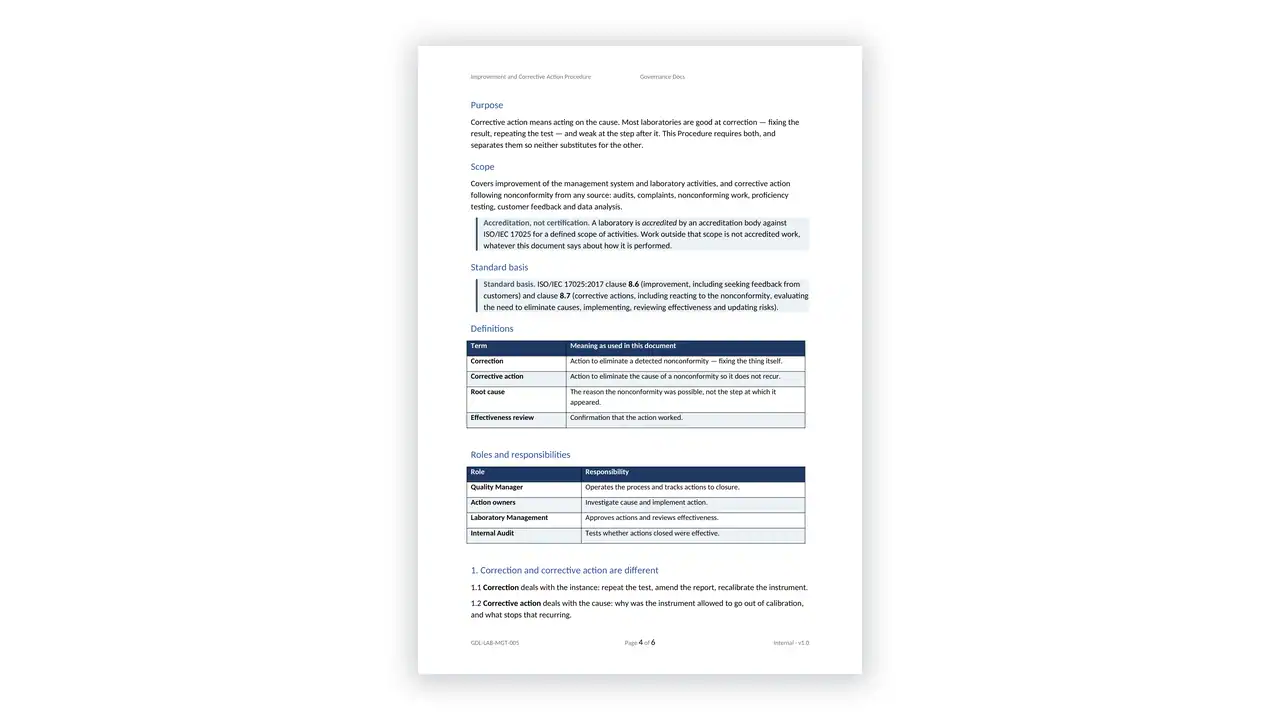
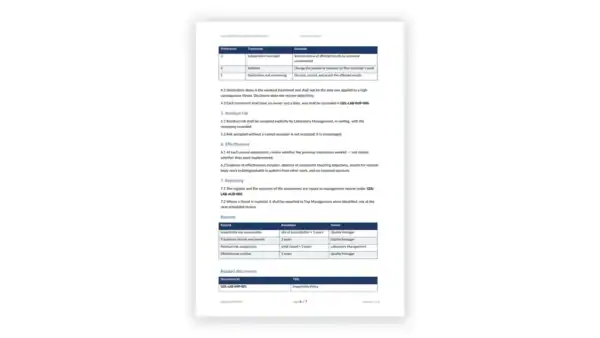
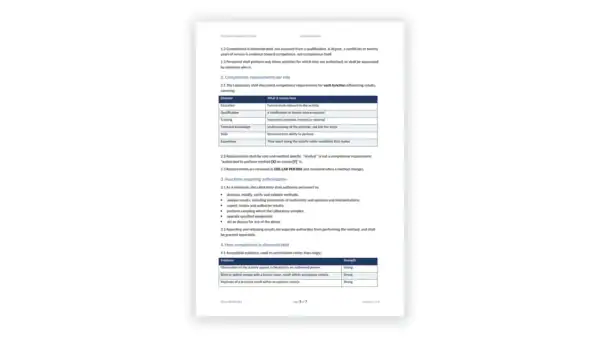
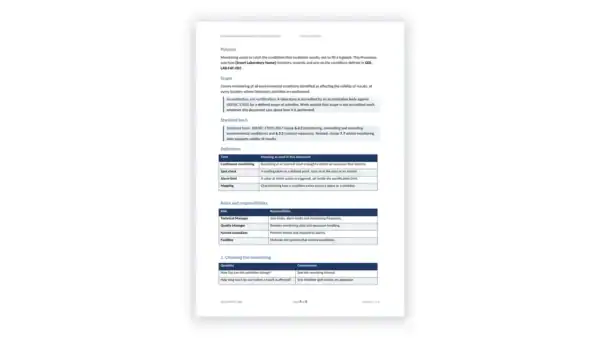
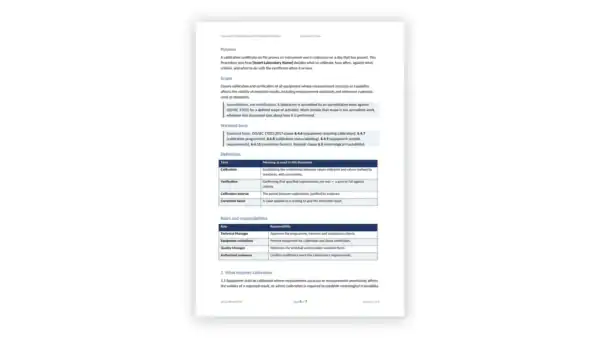
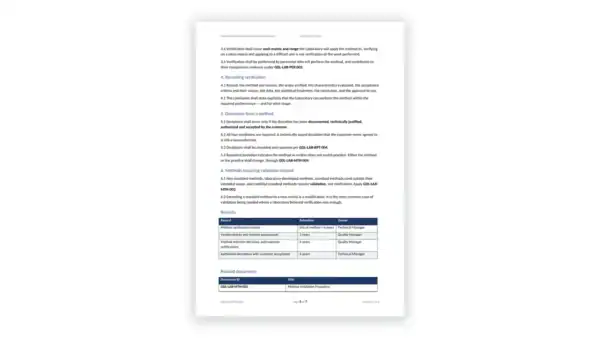
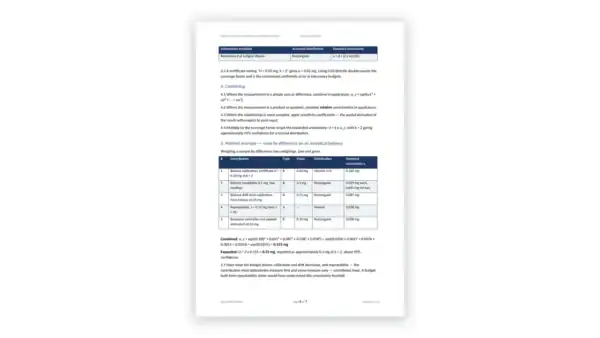
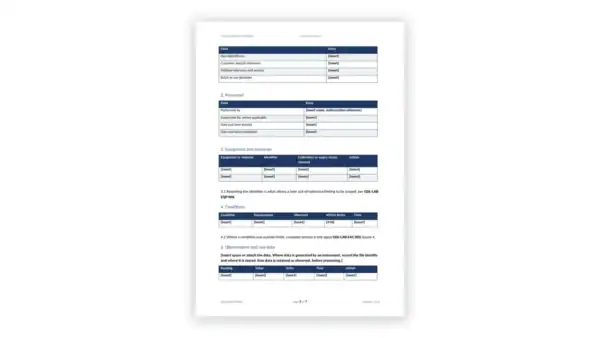
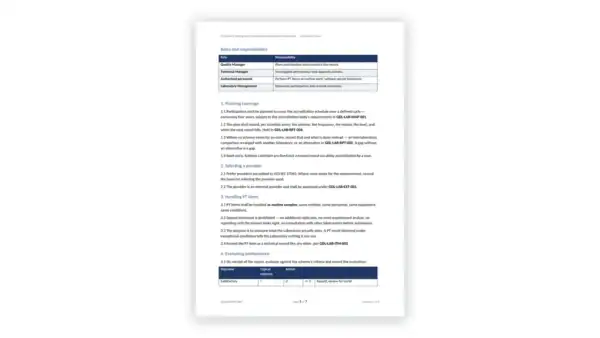
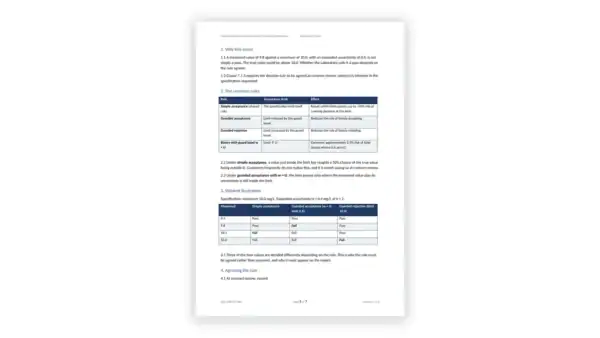
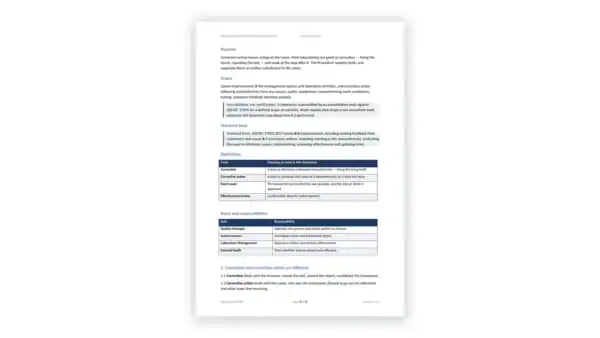
The ISO 17025 Toolkit contains 70 templates: 51 Word documents and 19 Excel registers, matrices, logs and checklists. Every document cites the clauses it implements, and every one is editable in Microsoft Office.
Laboratories run on registers far more than most organisations do — equipment status, calibration due dates, competence authorisations, proficiency testing coverage, uncertainty budgets — which is why 19 of the 70 documents are working Excel tools rather than prose.
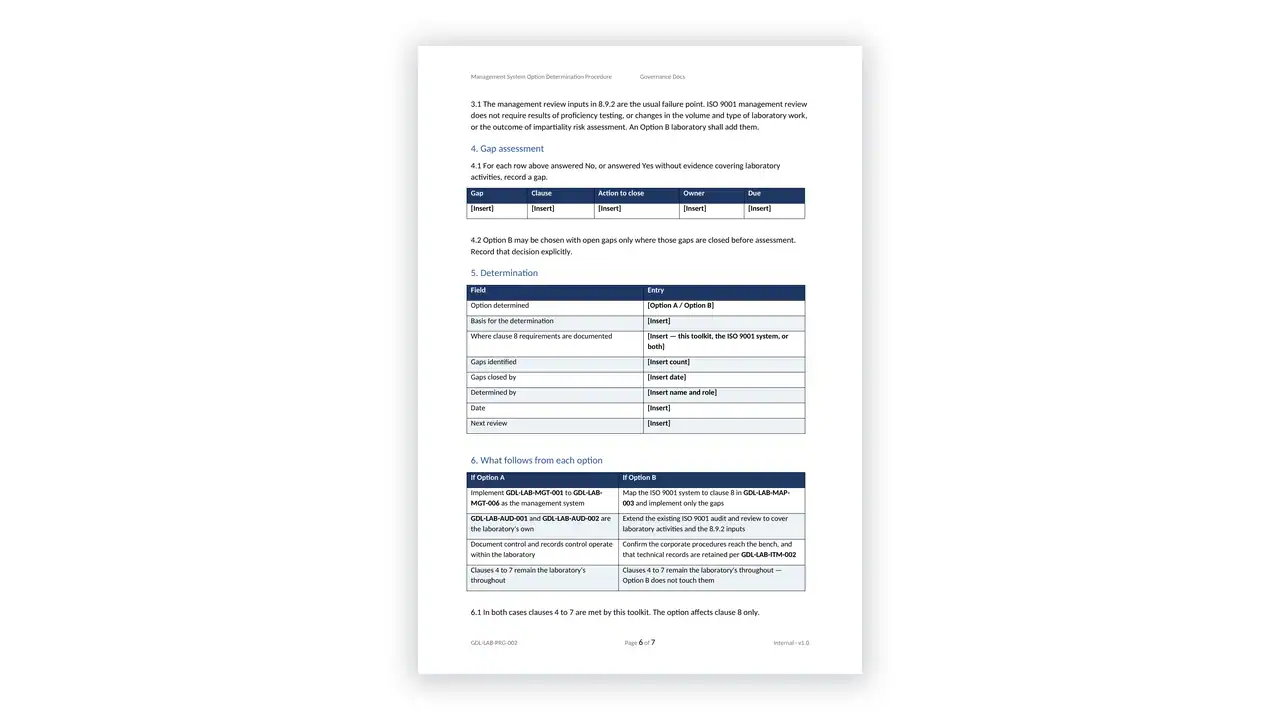
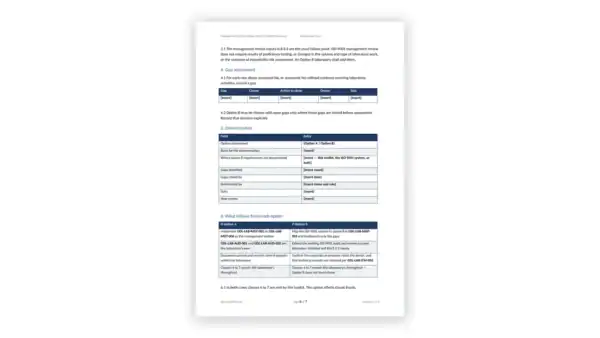
Clause 8 can be met two ways, and the choice governs how much of the management system you write yourself. Option A implements the requirements set out in ISO/IEC 17025 itself. Option B lets a laboratory already operating a system in accordance with ISO 9001 satisfy clause 8 through it.
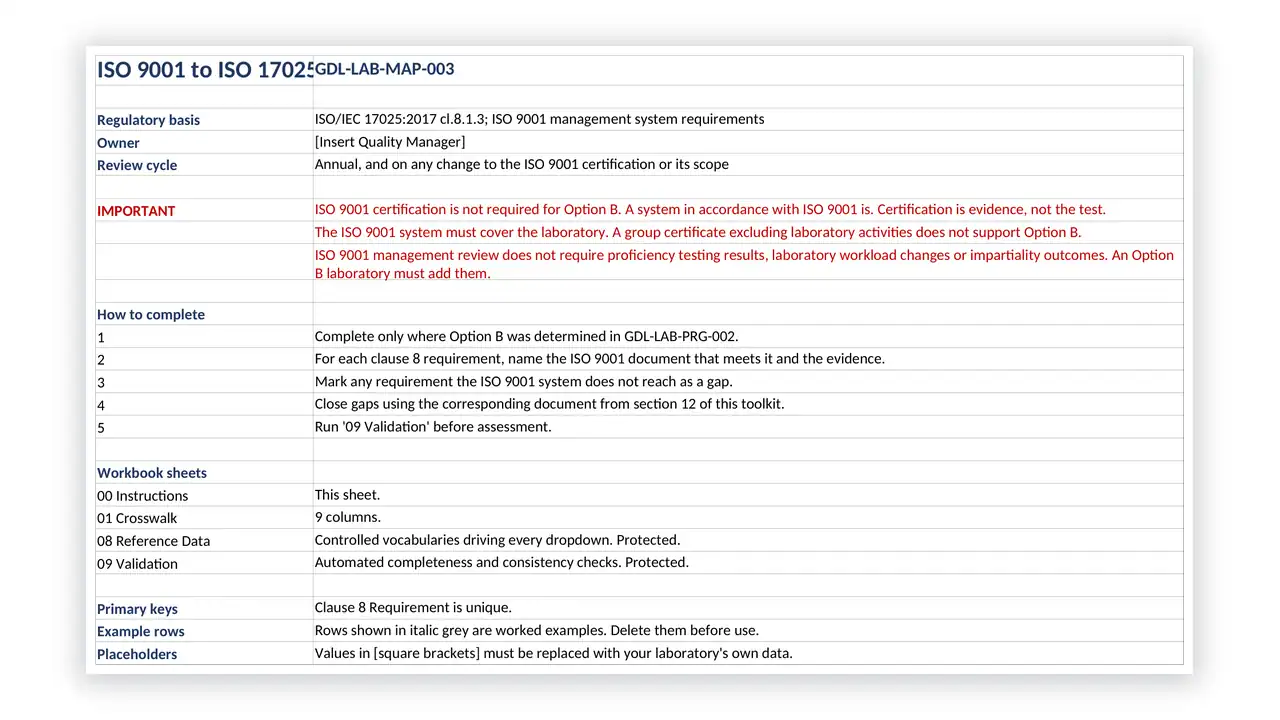
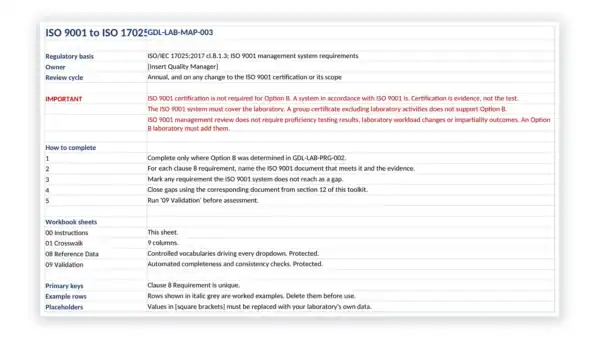
The ISO 17025 Toolkit ships both routes: a determination procedure that records the decision and its evidence before any clause 8 document is drafted, a full Option A management system, and an ISO 9001 crosswalk that identifies precisely which requirements your existing system already meets and which it does not.
Three things laboratories routinely get wrong about Option B, all addressed in the toolkit: ISO 9001 certification is not required (a system in accordance with it is), the scope must cover the laboratory rather than just the parent organisation, and ISO 9001 management review does not require proficiency testing results, changes in laboratory workload, or impartiality outcomes — so an Option B laboratory has to add them.
The toolkit follows the standard’s own clause order, so the folder list reads as an implementation sequence:
Most laboratory template packs go thin exactly where accreditation is won or lost. The ISO 17025 Toolkit does not:
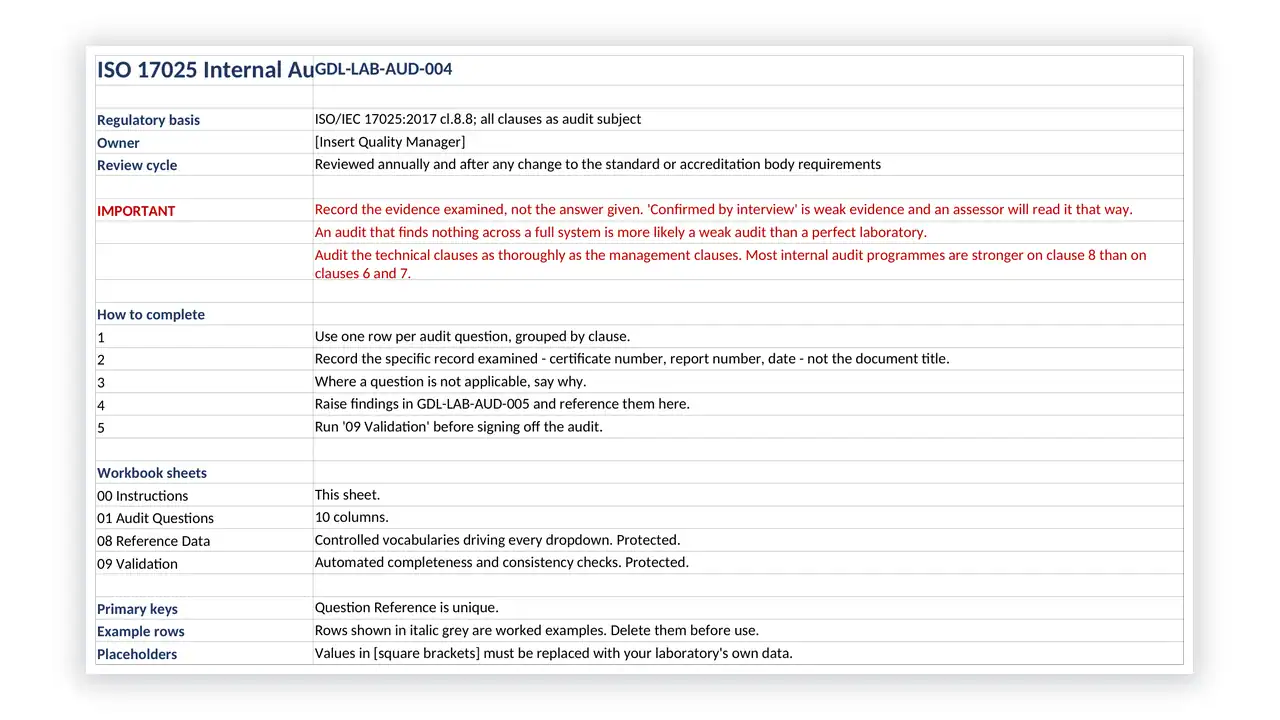
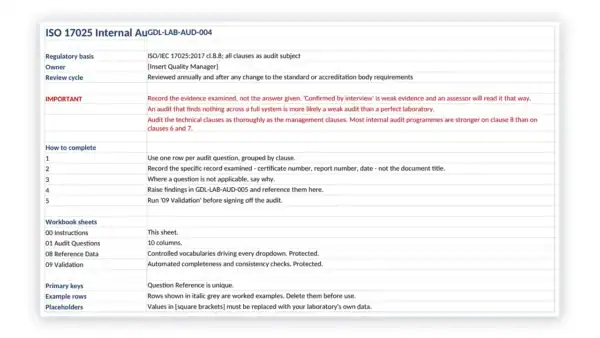
Because ISO/IEC 17025:2017 is assessed by an accreditation body rather than a certification body, the ISO 17025 Toolkit includes what an assessor asks for: a clause compliance matrix, an internal audit checklist covering every clause, an audit programme and findings register, a management review pack built around the fifteen inputs clause 8.9.2 requires, and an assessment evidence pack index organised around the vertical audit an assessor will run.
Our guide to ISO 17025 explains how accreditation differs from certification, how Option A and Option B compare, and the four areas where assessors most often raise findings.
Simply add your laboratory’s name, replace the bracketed placeholder values with your own detail, and implement the documented policies and procedures within your operational framework.
It is a set of 70 ready-to-edit documentation templates covering every clause of ISO/IEC 17025:2017, the international standard for the competence of testing and calibration laboratories. It includes policies, procedures, registers, matrices and checklists across fourteen sections, from scope of accreditation through to assessment evidence.
No. Laboratories are accredited, not certified, and accreditation is granted for a defined scope of activities rather than for the standard as a whole. There is no ISO 17025 certificate in the sense that ISO 9001 has one. A supplier presenting one is describing something their assessment body did not issue in the form they are implying.
ISO/IEC 17025:2017, the third edition and the current one. ISO confirmed it at stage 90.93 with no revision in progress, so unlike some standards there is no edition change pending.
Yes. The standard applies to both, and almost every requirement is common. Where a document is specific to one — sampling, for instance, which applies mainly to testing laboratories — it is marked as such.
No. If you hold an ISO 9001 system you can use Option B and the ISO 17025 Toolkit maps it for you. If you do not, Option A is fully documented and requires nothing external.
51 Microsoft Word documents and 19 Microsoft Excel workbooks. The Word documents carry a table of contents, document control fields and a consistent structure; the workbooks include instruction sheets, controlled dropdown lists, conditional formatting and validation checks. Nothing is locked and no password is required.
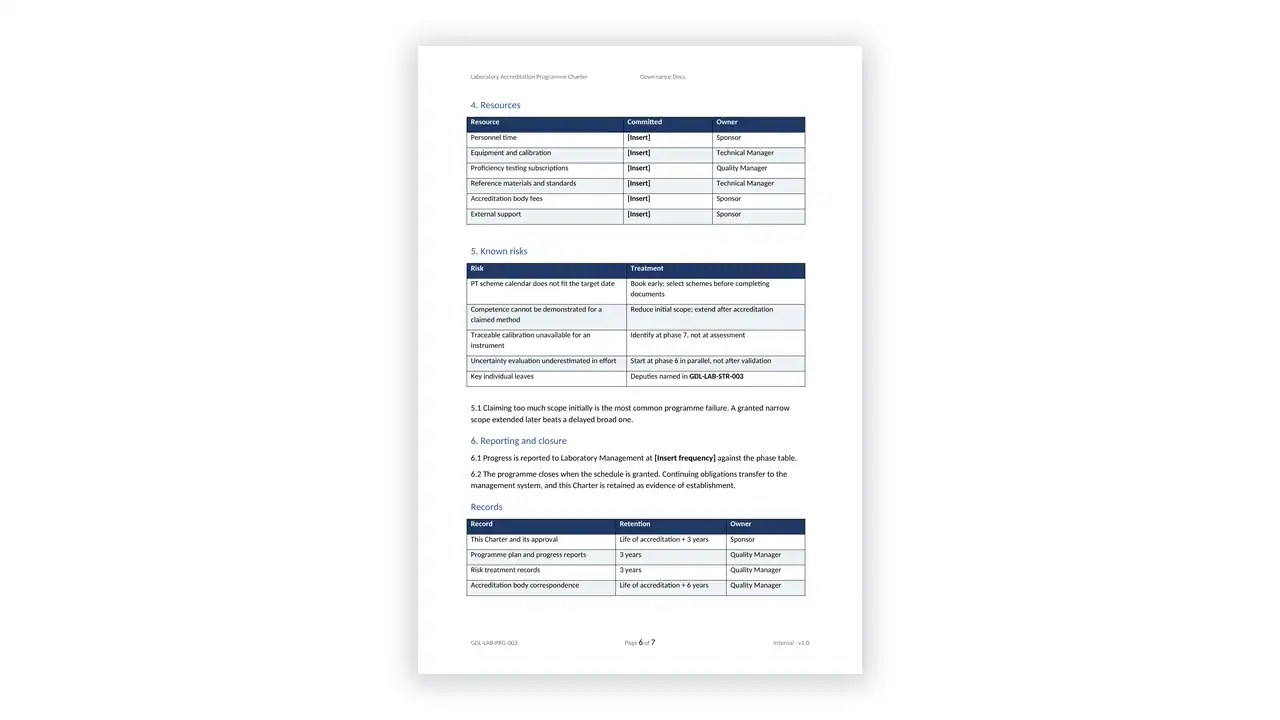
Typically nine to eighteen months from a standing start. The long poles are rarely the documents: traceable calibration has to be arranged, competence has to be demonstrated, and proficiency testing runs to the scheme provider’s calendar rather than yours. The ISO 17025 Toolkit’s deployment guide sequences the work so those start early.
The ISO 17025 Toolkit provides the framework for them. Accreditation bodies add requirements on top of ISO/IEC 17025 — participation frequency, symbol use, notification obligations, sector schemes — and these differ by body and change without notice. The toolkit includes a supplement structured around the fourteen areas where bodies commonly add requirements, for you to complete from your body’s current publications.
 Comprehensive ISO 17025 Toolkit – 70 Laboratory Templates$99.00


Reviews
There are no reviews yet